

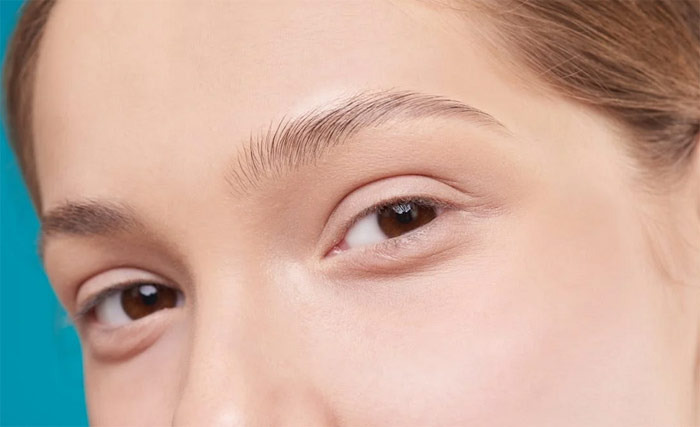
In Korea, double eyelid surgery, canthoplasty, and epicanthoplasty are considered as common as a 'first makeup set.'
Changing just the shape of the eyes can alter one's impression, boosting confidence in social interactions and relationships.
In particular, having distinct double eyelids and correcting the eye shape serves as the simplest and most definitive solution to the desire to look "more beautiful." This is why many seek these procedures when starting college or job hunting.
However, the atmosphere is different for American patients. Most Caucasian women are born with naturally double eyelids. Interestingly, they do not desire double eyelids but rather want to refine their already double-lidded eyes to appear more natural and sophisticated.
For example, when the eyelids become puffy, making them look heavy, or as skin sags with age, they seek surgeries that embody the concept of 'refinement.' They want to enhance their existing beauty rather than change what they already have.
The problem lies in the significant differences in facial structure and skin texture between Asians and Caucasians.
Asians typically have relatively thick skin, low nasal bridges, and fuller areas around the eyes, requiring meticulous design during incisions or corrections.
In contrast, Caucasians have thinner skin and more pronounced bone structures, so using the same approach can lead to overly artificial results or prominent scarring.
In fact, applying an Asian-style double eyelid line to a Caucasian can result in an unnatural 'hooded eye' appearance or awkward expressions.
Therefore, I abandon the mindset of simply "creating double eyelids" during surgical consultations.
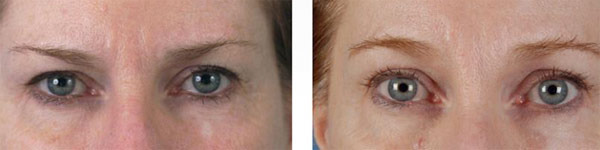
Moreover, many eyelid surgeries performed on Caucasian women in the U.S. are often due to sagging skin that occurs with aging.
As the eyelid skin thins and sags, it can obstruct vision and make the entire face appear tired.
Thus, the motivation for surgery is not merely to look pretty but to "look younger" or "not appear tired."
Additionally, those who already have double eyelids may want to refine the line to be thinner and more natural or remove fat around the eyes to create a fresher look. While Koreans often desire a more pronounced appearance, Americans tend to prefer a subtle and sophisticated look.
Young women may seek corrections because their eyelids appear heavy due to thickness or what is commonly referred to as 'heavy eyelids.' Even if they already have double eyelids, they may feel their eyes look blocked and want to tidy them up.
If a doctor is only accustomed to Asian eyelid surgery, they will struggle to achieve satisfaction with Caucasian patients.
Conversely, a doctor who has only performed surgeries on Caucasians may encounter questions like, "Why doesn't the line hold?" when meeting Korean patients.
I have experienced both cases and learned the differences through my own body.
Ultimately, I feel that cosmetic surgery is not just about technique but a harmony of aesthetics that comes from experience.
In the end, cosmetic surgery is not merely about changing the shape of the eyes. The key is how to balance the unique characteristics of each face with the image that person desires.
Korean women dream of a sharper and more sophisticated impression, while Western women want to naturally refine the beauty they already possess.
Despite cultural and background differences, all patients ultimately desire one thing.
That moment when they look in the mirror and think, "My face looks beautiful and I like it."
Today, I tell my patients in the consultation room:
"Surgery is about designing your impression and the story you want to tell."
That is the moment I feel the most fulfilled as a plastic surgeon.





 Tora Tora |
 neroyo |
 nivex85 |
 Old English |
 nixxon |
 squidogame |
 Margarine Daebimama |
 eatontown blog |
 cloudyday |
 Google Idea |
  Atlanta Mama |
  Baguette Blog |
  US Embassy |
  Korean Mom |
  My NYC |
  moo moo |
  Mr Oh |
  forevergee |
  festival |
  manchester |
  constant |
  Leapfrog Move |
  vibranto |
  yellowbutter |
  Dolly |
  NYC saladbar |
  Finding Superfoods |
  lightyear |
  song bang |