

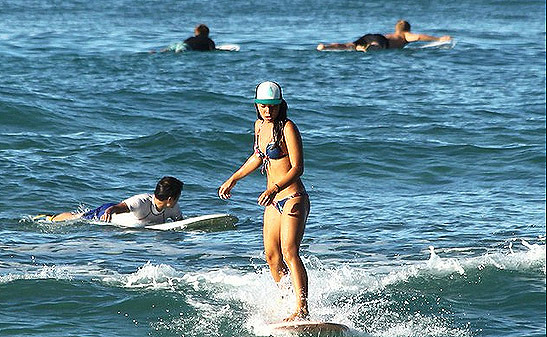
Walking along the beaches of Honolulu, Hawaii, you can noticeably see an increase in female surfers compared to the past.
Surfing has traditionally been viewed as a male-dominated sport, but recently, female surfers are rapidly increasing in Hawaii. The reasons behind this change go beyond mere trends or hobbies.
First of all, Hawaii is the birthplace of surfing. Therefore, local women have been familiar with the ocean since childhood. Swimming and marine activities are even included in school curriculums, making life with water a natural part of their upbringing.
Thanks to this environment, it seems that girls feel more curiosity than fear of the waves from a young age. Additionally, the influence of social media is significant these days. On Instagram and YouTube, there are many videos of 'Hawaii surfer girls' riding the waves beautifully.
The healthy and free image they portray has established itself as a kind of 'lifestyle' among women. In particular, Waikiki Beach in Honolulu is famous for being a place where beginners can learn to surf without pressure, making it a popular entry point for women traveling to Hawaii.
Recently, classes and competitions for female surfers are actively being held throughout Hawaii. Local surfing schools offer women-only lessons and 'surfing and yoga' programs, providing time to nurture both body and mind beyond just skill acquisition.
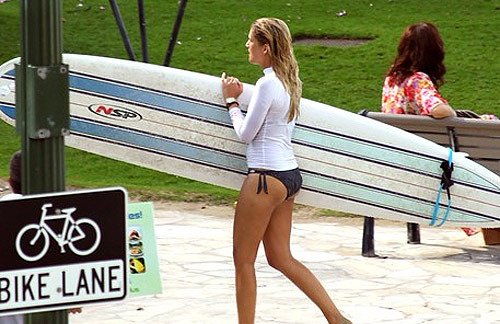
These programs resonate greatly with women, helping them perceive surfing not just as a sport but as a time for self-care.
The community atmosphere in Hawaii has always been active in women's social participation, and nowadays, living in harmony with nature has become an important value for both men and women. Surfing is seen not just as riding waves but as a 'healing experience' that connects with nature.
Especially after COVID, the importance of health and self-care has increased, leading many women to find balance through surfing. Moreover, the achievements of female surfers in the media have had a significant impact.
Whereas in the past, they were seen quietly supporting male surfers from behind, now they are actively dominating the waves as key players. Athletes like Carissa Moore, a professional surfer from Hawaii, have become role models for female surfers by winning world competitions, inspiring young women to feel, "I can do it too!".
Ultimately, the increase in female surfers in Honolulu is not just a trend but a result of cultural changes in Hawaiian society, women's independence, and the value of living in harmony with nature.
Today, many women can be seen riding the waves at Waikiki. I would love to try it too, but I guess I have to pass since I can't swim.







 candytip |
 Gold Bar |
 Pirate Ship Popcorn Maker |
 Montgomery Mom |
 Anjollinya Blog |
 victoria 68 |
 Hawaii Tourist Information |

 TEX MEX STAR |
 Vacation on Hawaii |
  DREAM BIG |
  frostbite |
  330 Forever My Love |
  El Dorado |
  dralix58 |
  Gorama Round |
  Skydiving |
  dreamport |
  Yellow Snowman |
  Toaster Pizza Magic Show |
  velvetnom |
  Anytime Journey |
  Mrs. Duluth |
  jaxter |
  Atlanta Mama |
  Baguette Blog |
  Tan Sol |
  US Embassy |
  Korean Mom |
  My NYC |