


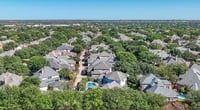
According to the figures, Plano appears to be one of the markets with the highest entry barriers in the DFW metro area.
As of the first half of 2026, the median home price in Plano is estimated to be around $550,000 based on data from Zillow and Redfin, which is nearly 1.5 times the median price in Dallas.
Let's calculate the loan conditions. With a 20% down payment, the loan principal would be $440,000, and assuming a 30-year fixed rate of 6.75%, the monthly principal and interest payment would be approximately $2,854.
Data shows that the effective property tax rate in Collin County, where Plano is located, is estimated to be around 2.1%, meaning the monthly property tax for a $550,000 home would be about $962. Adding an annual homeowners insurance premium of $2,200 (or $183 per month), the total monthly housing cost, including principal, interest, taxes, and insurance, would be around $4,000.
Applying the DTI 28% rule, the required monthly income would be $4,000 ÷ 0.28 = $14,285, which translates to an annual income of about $171,000.
The median household income in Collin County, according to census.gov estimates, is around $105,000, which is higher than the DFW average; however, there is still a gap of about $66,000 in the required income.
Compared to nearby cities, Plano's premium is evident. Irving requires a necessary income of about $123,000, and Dallas around $119,000, while Plano is over $50,000 higher, reflecting the premium associated with the well-regarded Plano ISD school district.
- Median home price: approximately $550,000
- Total monthly housing cost: approximately $4,000
- Required annual income: approximately $171,000
- Median household income in Collin County: around $105,000
For Korean households, Plano is a region where demand remains steady due to the school district, even if it means stretching to enter the market. Unless they are high-income families with a combined income of over $170,000, they would exceed the DTI 28% guideline, and in reality, many do enter with a DTI expanded to 33-36%. However, this comes with the burden of reduced capacity for other expenses.
It is important to emphasize that in areas with school district premiums, the burden of property taxes also increases. This tax burden continues even after children have aged out of school, so households planning to stay long-term should weigh the value of the school district against the tax burden.
 RooKickbox
 MomsFund






 Sugar Cream Door Bulletproof Noodles |
 urbanmint |
 |
| 
 Premium Gas Camp |
 CA Real Estate |
 vrixen73 |
 Hajiwon Blog Hair Salon |
 Dala Dala |
 sunny flower |
  churrotop |
  swiftlane |
  allstar realty |
  mystery |
  dermoon |
  UCLA Captain |
  lattecu |
  dynamite |
  frostingline |
  Hakuna Matata |
  Your Curiosity Resolved |
  Way to easy |
  Chino Min |
  nexabyte |
  moonshine 7 |
  Sunset Oregon |
  victoria 68 |
  golfmaster |
  Montgomery Mom |
  squidogame |