
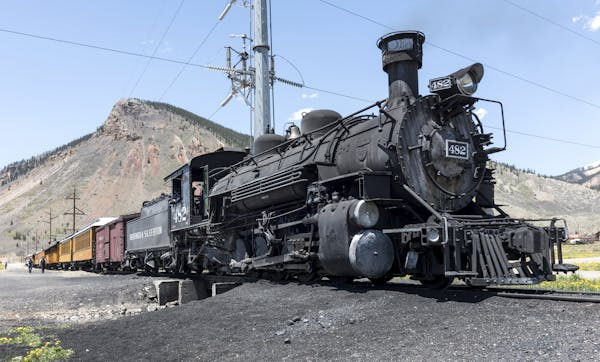
In the United States, steam locomotives became an important mode of transportation from the mid-19th century alongside the Industrial Revolution.
In the early 19th century, steam locomotives played a key role in transforming the American economy and social structure, with the development of railroads being particularly central to westward expansion and industrialization.
Early History
The first steam locomotive in the United States was introduced in 1829. The steam locomotive named Locomotive began operations on the Charleston Railroad, the first railroad in the United States. Although steam locomotives had been tested in several countries before, the significant expansion of the railroad network in the United States began in the 1830s.
In the 1830s, along with the expansion of the railroad network, the technology of steam locomotives also advanced significantly. In particular, the Rocket model, designed by George Stephenson and Robert Stephenson, became an important benchmark for the development of steam locomotives in the United States.
Westward Expansion and Railroad Development
In the late 19th century, the United States began the construction of the Transcontinental Railroad. In 1869, the first transcontinental railroad connecting the eastern and western United States was completed, which had a tremendous impact on American society and economy. Steam locomotives played a crucial role as a primary means of transportation for westward expansion. The transportation network between cities connected by the transcontinental railroad would have been impossible without railroads and steam locomotives.
Decline and Modernization
From the early 20th century, the emergence of diesel and electric locomotives gradually reduced the use of steam locomotives. By the 1950s, most steam locomotives were retired, and diesel and electric locomotives became the primary means of transportation. Nevertheless, steam locomotives remain a symbolic presence that evokes nostalgia for many, and some are still operated for tourism purposes.
3 Famous Steam Locomotive Museums
Smithsonian National Museum of American History Located in Washington D.C., the Smithsonian Museum houses a variety of exhibits related to American history, among which the exhibits on steam locomotives and railroads are very important. This museum displays materials related to 19th-century steam locomotives and the transcontinental railroad, making it an important place to understand the history and development of railroads. Notably, you can see famous steam locomotive models such as "Union Pacific No. 119."
Grand Canyon Railway & Hotel Museum Located near the Grand Canyon in Arizona, this museum is famous for operating traditional steam locomotives. The Grand Canyon Railway, which started in 1901, still uses steam and diesel locomotives to transport tourists. Inside the museum, there are various exhibits related to steam locomotives and railroads, allowing for a deep understanding of the historical significance of steam locomotives and their relationship with the Grand Canyon.
Nevada State Railroad Museum Located in Carson City, Nevada, this museum provides valuable resources on the history of railroads and steam locomotives. In particular, this museum holds models of American steam locomotives from the late 19th and early 20th centuries and operates steam locomotives for tourism purposes. Most of the displayed steam locomotives are restored, allowing visitors to experience actual operating steam locomotives.
These museums offer rich resources and exhibits on the history of steam locomotives and railroads, providing a historically significant experience for both railroad enthusiasts and general visitors.








 Weekend Movie Blog |
 Beauty, Health, Lifestyle Blog |
 coloradoman |
 Superman Cat Blog |
 novapixel |
  dralix58 |
  Gorama Round |
  Skydiving |
  dreamport |
  Yellow Snowman |
  Toaster Pizza Magic Show |
  velvetnom |
  Anytime Journey |
  Mrs. Duluth |
  jaxter |
  Atlanta Mama |
  Baguette Blog |
  US Embassy |
  Korean Mom |
  My NYC |
  moo moo |
  Mr Oh |
  forevergee |
  festival |
  manchester |