

There are many foods in the world that are preserved and gain deep flavors through the process of fermentation after being salted.
Some foods, like Sweden's surströmming, have such a strong smell that they challenge people, while others, like Italy's anchovies, can completely change the atmosphere of a dish with just a spoonful.
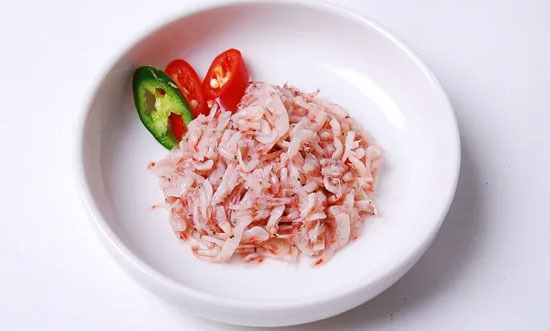
Among these, Korean shrimp paste is particularly rich in unique Korean characteristics. Its small size and transparent color might make you wonder at first, 'Is this really that great?' However, once you taste it, your thoughts change immediately. In this way, shrimp paste can be considered one of the closest representations of the essence of fermented foods, as it can transform the overall impression of a dish.
When Korean children and foreigners first see shrimp paste, they often find themselves momentarily speechless. The sight of tiny shrimp, resembling bugs, submerged in brine is unfamiliar to them. This strangeness might even make them want to close the lid again. However, within each tiny shrimp lies a record of flavors built up over time.
As shrimp paste matures, proteins and fats naturally break down, creating umami. Whether it's the rich flavor of shrimp paste made in the hot sun of June or the coolness of autumn captured in fall shrimp paste, it is not just a salty side dish but a fermented ingredient that develops its own flavor.
The reason shrimp paste is added when making kimchi is not just a tradition. While kimchi can ferment with just napa cabbage and seasoning, adding shrimp paste deepens the flavor significantly. Shrimp paste helps break down proteins and fats during fermentation, allowing the ingredients in the kimchi to blend better. Thus, when kimchi is first made, it tastes clean, and as time passes and it ferments, the umami naturally comes alive.
Using shrimp paste results in kimchi that is not dull in flavor and does not cloud the broth. Especially for kimchi varieties like napa cabbage kimchi or cubed radish kimchi, where aging is important, adding a little shrimp paste makes for a smooth and comforting finish. You don't need to add much; just a little to adjust the seasoning is enough. The reason kimchi doesn't get tiresome even after a long fermentation is due to the quietly working shrimp paste.
The relationship between bossam and shrimp paste is so natural that it hardly needs explanation. When bossam is served, shrimp paste automatically follows like a shadow. However, this pairing is not just a habit. Pork is delicious and savory, but honestly, it can sometimes be hard on the stomach if eaten in large quantities. At this time, the fermented components in shrimp paste (protease, lipase) help to tenderize the proteins and fats in the meat, enhancing the flavor while easing the digestive burden.
As soon as you place a small amount of shrimp paste on a well-cooked piece of bossam, the saltiness suppresses any off-flavors, and the umami elevates the sweetness of the meat to its maximum. Just a few shrimp the size of a pinky nail are enough. That small amount can completely change the impression of a piece of meat. Small but powerful, seemingly simple yet complex in flavor, shrimp paste always stands quietly in the background but plays a crucial role that is immediately noticeable when absent.
If you're pondering tonight's dinner menu, consider bossam and shrimp paste. With well-cooked meat, kimchi, garlic, and just one type of shrimp paste, a delightful meal is already guaranteed.







 neroyo |
 nivex85 |
 Old English |
 nixxon |
 LIZ Legal Information Blog |
 Chino Min |
 Cap Com |
 DREAM BIG |

 manchester |
  constant |
  Leapfrog Move |
  vibranto |
  Tora Tora |
  yellowbutter |
  Dolly |
  US Embassy |
  NYC saladbar |
  Finding Superfoods |
  lightyear |
  song bang |
  vexomo |
  Indiana Jones |
  meloncat |
  novapixel |
  mortrix |
  Esther 1983 |
  fortbliss |
  Moscow Kim |