

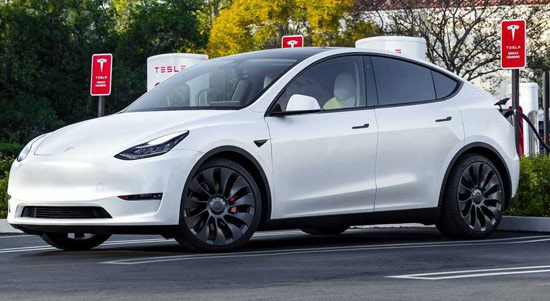
When I wait at a traffic light on the roads in Riverside, I often see a scene where the front, back, and sides are all filled with Tesla Model Ys.
At this point, it's not an exaggeration to say that the Model Y is like the Gangnam Sonata in Korea. Even when I occasionally go to Koreatown, there are so many Teslas 3 and Ys in the parking lots.
But are people driving them just because it's trendy, or is it really because they save money?
Many say it's a car that fits perfectly with the California lifestyle, but when you actually consider the financial aspect, the story changes a bit.
I'm going to compare the Model Y and the Kia Sorento from a realistic cost-effectiveness perspective.
The reason there are so many Model Ys in Riverside is that they fit well with the daily routes of Southern California residents. There are chargers everywhere, from shopping malls to grocery stores to company parking lots. Especially thanks to Tesla's dedicated Superchargers, the anxiety of being stuck due to charging is greatly reduced. You develop a belief that there's a charger somewhere.
It also plays a significant role as a family car. Its SUV shape is sufficient for carrying strollers or Costco shopping bags. It has become an all-around means of transportation for commuting, dropping off kids at school, and weekend outings. The fact that there's no maintenance stress like engine oil changes provides a surprisingly large sense of psychological relief.
However, it's easy to think that driving an electric vehicle like the Model Y automatically means savings, but there are several conditions for saving money.
First, if you charge at home during off-peak hours, it's definitely beneficial. Conversely, if you often rely on external fast charging, the current electricity rates may not differ much from gas prices.
Insurance costs are also considerable. The Model Y often incurs high repair costs in the event of an accident, leading insurance companies to take a conservative approach. Even if someone around you got a good deal, it's not uncommon to be shocked by the bill depending on personal circumstances.
Additionally, the unique weight and torque of electric vehicles can lead to faster tire wear, which adds to the perceived costs. The saying that you thought you saved on gas but ended up spending on tires isn't just a coincidence. A friend of mine said he spent $1600 on tire replacements after three years.
The Sorento I drive is a practical choice for those who are budget-conscious. Especially the hybrid model is very stable in hot regions like Riverside, where summers are long. You don't have to worry about driving range even when you crank up the air conditioning, and there's no need to stress about finding charging stations during long trips.
Maintenance costs are also relatively predictable. There are fewer sudden spikes in insurance or repair costs, and it's easy to adapt to changes in lifestyle. The Sorento's interior space and performance-to-price ratio have already been validated in the U.S. market. It may not be flashy, but it's a comfortable car that gets better with age.
In the end, the winner is not the car but the person. To truly save with the Model Y, you need to have a charger at home, a long driving range, and low insurance costs. You also shouldn't be overly concerned about fixed expenses like autonomous driving subscriptions. If these conditions aren't met, the Sorento hybrid could be a less risky choice.
It's true that the Model Y is popular in California. However, when you realize how much you've spent after a few years, true savings should be evident.
Whether to drive a car that looks as common as the Gangnam Sonata or one that fits your lifestyle is ultimately your choice.





 forevergee |
 mortrix |
 cherrydino |
 victoria 68 |
 American Man in a Mask |
 Purple Moons, |
 Korean Mom |
 What can make money? |
 Information on All Regions of the United States |
 Finding Superfoods |
  Tonky |
  viroma |
  cookie |
  Live and that's it |
  Alright Twain |
  eatontown blog |
  HAWAII Korean Church News |
  Amore |
  linex |
  Balancework |
  laro90 |
  MEDBIO American Doctor Blog |
  SWAT TEAM BLK |
  DREAM BIG |
  frostbite |
  330 Forever My Love |
  El Dorado |
  dralix58 |
  Gorama Round |
  Skydiving |