

Living in San Antonio, I have long wondered how our neighborhood's water supply is managed. In fact, it's hard to avoid talking about the water in San Antonio. Especially when you see the white residue left on surfaces or the white powder that builds up in kettles, you can immediately feel how hard the water in this city is.
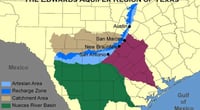
The biggest characteristic of San Antonio's water supply is that it is very hard water with a high calcium carbonate content. The water drawn from the Edwards Aquifer naturally contains a lot of calcium and magnesium as it passes through limestone areas. This can lead to dry skin and a shorter lifespan for appliances like showers, washing machines, and water heaters.
In older neighborhoods, the aging of the water pipes is also a significant issue. In some areas, decades-old pipes are still in use, leading to intermittent problems with water pressure and minor rust issues. Although SAWS conducts replacement work every year, the sheer size of the city makes it difficult to quickly replace all areas.
As a result, many households have now almost made it essential to install water purifiers or softeners to manage their water supply. The management of our city's water is the responsibility of the San Antonio Water System (SAWS). SAWS is overseen by a board composed of the mayor and directors who manage the overall operations and recommend changes to rates or services to the city council.
2026 is a crucial time for SAWS as it attempts significant changes for infrastructure improvement and water conservation. For the first time since 2020, discussions are underway regarding an increase in residential water rates, aimed at upgrading aging wastewater treatment facilities and replacing old pipes.
This year, SAWS plans to invest millions of dollars in improving wastewater treatment facilities and reinforcing the drinking water distribution network. Measures to reduce water waste include mandatory inspections for new landfill-type sprinkler systems, along with a campaign to reduce wastewater fees based on average winter usage.
Residents can pay their bills, check usage, and report leaks through the official SAWS website or mobile app.
There are also fee reductions and installment payment plans available for economically challenged families, which can be helpful. Additionally, information on landscaping ideas suitable for the local climate and benefits for replacing water-saving equipment can also be found.
In case of emergencies like water or sewer leaks, there is a number available for reporting year-round, and separate contacts for water conservation or safety issues are also in operation.
Living in San Antonio, I felt that if we pay a little more attention to water use and conservation, we can manage our resources more wisely. Given the frequent droughts these days, it might be good to check the official website for the latest information on water-saving measures.







 Helpful Life Stories |
 American Man in a Mask |
 Hajiwon Blog Hair Salon |
 Make My Day |
  TEXAS Fishing Boat |
  DREAM BIG |
  frostbite |
  330 Forever My Love |
  El Dorado |
  dralix58 |
  Gorama Round |
  Skydiving |
  dreamport |
  Yellow Snowman |
  Toaster Pizza Magic Show |
  velvetnom |
  Anytime Journey |
  Mrs. Duluth |
  jaxter |
  Atlanta Mama |
  Baguette Blog |
  Tan Sol |
  US Embassy |
  Korean Mom |
  My NYC |