

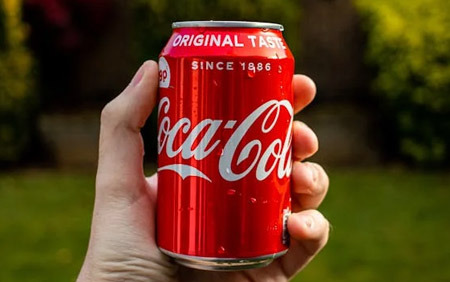
The story of Coca-Cola actually began in 1886, when a pharmacist named John Pemberton created a drink in Atlanta, Georgia, USA.
John Pemberton developed a beverage that included ingredients extracted from coca leaves and kola nuts. Originally, this drink was a medicinal beverage with pharmacological effects, starting under the name "Pemberton's French Coca."
Coca-Cola began to gain popularity, and in 1888, a businessman named Asa Candler acquired the drink and started serious marketing. In 1892, he founded the Coca-Cola Company, leading to the creation of the Coca-Cola we know today.
The name Coca-Cola is derived from the coca leaves included in the drink. In fact, it originally contained some narcotic components from coca leaves. The first Coca-Cola was sold for 5 cents in a 9-ounce (about 270ml) serving.
In 1915, the Coca-Cola bottle we know today was introduced! It was called the 'contour bottle,' and this glass bottle design created a distinctive feature that set it apart from other beverages at the time, earning great love from consumers. By the early 20th century, Coca-Cola began to spread beyond the United States to the rest of the world.
Coca-Cola became a global icon not just as a beverage but also due to its marketing strategies. In the 1950s, Coca-Cola's advertisements had a significant impact on popular culture, and they became familiar to people through sports sponsorships and collaborations with celebrities.
During World War II, Coca-Cola made efforts to provide drinks to soldiers, which helped establish it as a global brand. Even during the war, Coca-Cola was distributed around the world, greatly contributing to brand recognition in various countries after the war.
In the 1950s, Coca-Cola's advertising and marketing strategies began to reflect popular culture, particularly known for the message "Moments of Happiness with Coca-Cola."
In the 1980s, there were attempts to expand Coca-Cola's beverage lineup. In 1985, a new recipe called 'New Coke' was introduced, but due to strong consumer backlash, they returned to the original Coca-Cola within a few years.
Entering the 2000s, Coca-Cola acquired various beverage brands beyond carbonated drinks and expanded into the health beverage market, including juices.
Now, Coca-Cola offers a variety of products, including not only carbonated drinks but also juices, teas, and sports drinks. Their product range is becoming increasingly diverse, and it is also important to note that they are striving to fulfill their environmental protection and social responsibility. Coca-Cola has now established itself as a cultural icon loved worldwide, beyond just being a beverage.
Since its debut in 1886, Coca-Cola has evolved from a simple beverage brand to a global cultural icon. With various marketing strategies, global expansion, and a commitment to social responsibility, Coca-Cola continues to develop over time.






 Yellow Snowman |
 Moscow Kim |
 Seattle - Emerald City |
 self-evaluation |
 Sandiego Auntie |
 Weekend Movie Blog |
 Beauty, Health, Lifestyle Blog |
 coloradoman |
 Superman Cat Blog |
 Noodle Noodle |
  Tonky |
  viroma |
  cookie |
  Live and that's it |
  Alright Twain |
  eatontown blog |
  HAWAII Korean Church News |
  Amore |
  linex |
  Balancework |
  laro90 |
  MEDBIO American Doctor Blog |
  SWAT TEAM BLK |
  DREAM BIG |
  frostbite |
  330 Forever My Love |
  El Dorado |
  dralix58 |
  Gorama Round |
  Skydiving |