
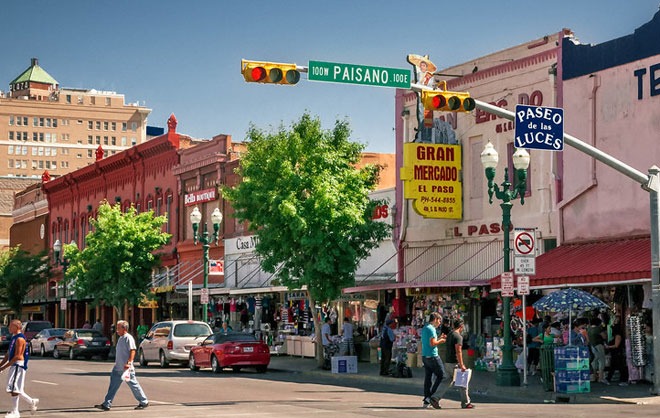
El Paso is a place that has a completely different face from the rough border city image that many people associate with it due to movies or dramas.
As of 2025, El Paso consistently ranks among the safest cities in the U.S. major cities, with a very low violent crime rate and a notably strong sense of community.
Many people think it must be dangerous because it borders Mexico, but once you live here, you quickly realize how close that perception is to a bias. This city is, in fact, a place filled with a strong sense of community, where neighbors greet each other, making it one of the few major cities where that atmosphere still exists.
One of El Paso's biggest advantages is the cost of living. While major Texas cities like Austin, Dallas, and Houston have seen skyrocketing home prices, rent, and living costs in recent years, El Paso remains a city where you can maintain a stable life at reasonable costs. Housing prices and rent are relatively low, and dining and various living expenses are not a significant burden compared to other major cities, making it particularly popular among those seeking a "good value life." This is a major reason why retirees, remote workers, and young dual-income couples are moving to El Paso.
Another element that makes El Paso special is its Hispanic culture. The majority of the population is Hispanic, and English and Spanish are naturally mixed in everyday use, making it a truly bilingual city. Signs on the streets, radio, markets, and school events coexist in both languages, and the culture blends the colors of both the U.S. and Mexico. Weekly local festivals, markets, and the music and food culture create a vibrant rhythm unique to El Paso, establishing it as an independent cultural space rather than just a border city.
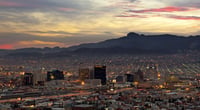
The natural environment is also one of El Paso's attractions. The endless blue sky over the sprawling desert, the silhouette of the Franklin Mountains cutting through the city, and the sky turning red at sunset are part of El Paso's daily scenery. With mostly clear and dry weather throughout the year, it's great for outdoor activities, and many people enjoy hiking, biking, and camping as part of their daily lives. The ability to live close to nature while being in a major city makes El Paso an even more desirable place to live.
The economic structure is also changing rapidly. In the past, during the 70s and 80s, the clothing manufacturing and border industries were the backbone of El Paso's economy, but as of 2026, the focus has shifted to the bio-industry, healthcare, logistics, and advanced manufacturing.
In particular, the border logistics system connected to Ciudad Juárez plays a very important role in the North American supply chain, and El Paso's strategic value continues to grow amid the nearshoring trend. Additionally, the combination of the University of Texas at El Paso campus and medical research facilities is creating a structure where education, research, and the healthcare industry can grow together.
Despite these changes, El Paso's greatest strength remains its sense of community. The relationships between neighbors are still alive, and there is a strong family-oriented culture. Local schools, churches, and community centers connect people, and a natural atmosphere of helping each other forms in times of crisis. The low crime rate is not just due to simple law enforcement policies, but also because this community bond operates in daily life.
El Paso has transformed from a manufacturing city into a complex city where culture, technology, healthcare, and logistics grow together. With a high quality of life, reasonable living costs, a safe environment, and unique culture and natural scenery, this city is no longer a hidden gem. El Paso is now recognized as one of the best places to live in the U.S.







 fortbliss |
 Tomex Train Uncle |
 hexon |

 Spicy Immigration Life |
  Korean Mom |
  My NYC |
  moo moo |
  Mr Oh |
  forevergee |
  festival |
  manchester |
  constant |
  Leapfrog Move |
  vibranto |
  Tora Tora |
  yellowbutter |
  Dolly |
  US Embassy |
  NYC saladbar |
  Finding Superfoods |
  lightyear |
  song bang |
  vexomo |
  Indiana Jones |