
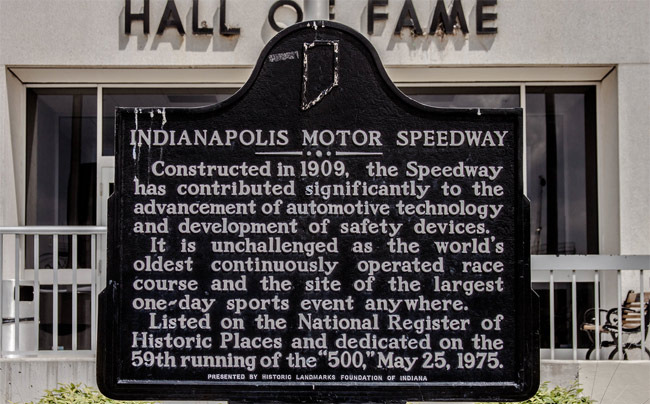
Indianapolis Motor Speedway is considered one of the most iconic racing venues in the world. For car enthusiasts, just hearing the name 'Indy 500' gets them excited and ready to explain. Located in the city of Speedway, just west of Indianapolis, Indiana, this venue is a living legend that holds over 100 years of American motorsport history.
Opened in 1909, the Indianapolis Motor Speedway was built during the early days of automotive technology. Initially used by car manufacturers to test engine performance and experiment with technology, it soon gained fame as racing events began to take place.
The "Indianapolis 500-Mile Race" held annually on this track means more than just a competition. Drivers from around the world participate, and every May, over 300,000 spectators flock from across the United States for this massive festival. On race day, blimps float in the sky, and hundreds of thousands of fans wave flags and cheer, creating an iconic scene that marks the beginning of summer in America.
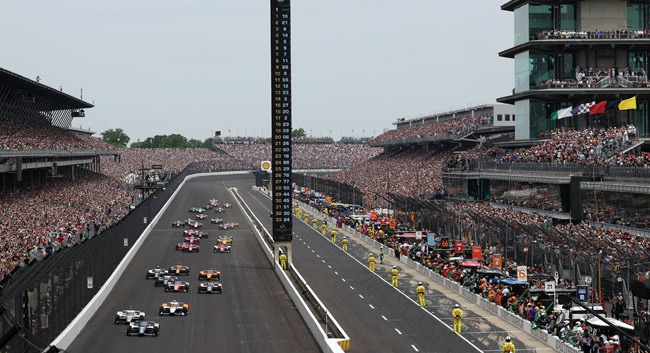
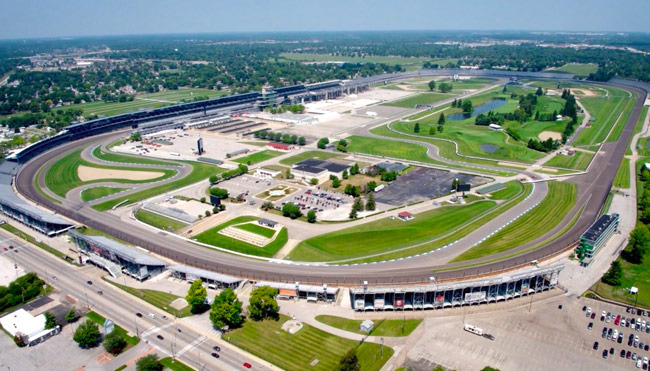
Speedway is one of the oldest paved tracks in the world, measuring about 2.5 miles (4 km) in length. Originally paved with bricks, it earned the nickname 'Brickyard,' and a symbolic brick line about 1 meter wide still remains near the starting line.
The tradition of the winning driver kissing the bricks is a touching moment unique to Indianapolis. Various types of races, including IndyCar, NASCAR, Formula One (F1), and MotoGP, have taken place here, and world-class drivers have all had the chance to race on this track.
The reason this track is special is not just its size. Indianapolis Motor Speedway is the heart of American motorsport culture and serves as a 'history book of speed.' In the early days, when safety equipment was virtually non-existent, drivers raced at speeds over 100 miles per hour wearing only leather caps and goggles.
The stories of danger, skill, and courage from that era have shaped today's racing traditions. During the war, the track was used as a training ground for military vehicles, and hospitals and repair shops were set up within the venue. However, even after the war, the Speedway revived, and every year faster engines and stronger drivers returned.
Sitting in the grandstands, you can instantly feel why this place is called the 'holy land of racing.' As the starting signal sounds and dozens of cars accelerate simultaneously, the roar is like the earth shaking. The speed and vibrations resonate through your body, and the entire grandstand begins to beat as one heart. During the race, high-speed cornering and fierce strategic battles in the pits unfold, where a single mistake can determine victory or defeat. Thus, winning the Indianapolis 500 is not just a victory but is regarded as glory that transcends human limits.
Inside the Speedway is the "IMS Museum (formerly Hall of Fame Museum)." Here, vehicles from over a century of winners, starting with the Marmon Wasp, the first winner in 1911, to the latest IndyCars, are on display.
Exhibits include engine sounds from different eras, helmets, and trophies, showcasing how the challenges and innovations of drivers have advanced the American automotive industry. It is an attractive space not only for car enthusiasts but also for those who love technology and history.
Ultimately, Indianapolis Motor Speedway can be seen as a symbol of 'the engine that drives America.' This place is not just a racetrack but a historical stage that connects generations and cultures.
Every May, hundreds of thousands of fans gather here again, and their cheers and engine sounds blend into a single tradition. Indianapolis Speedway is not just a place where cars race; it is where America beautifully expresses the word "challenge."





 bada2002 |
 Now or Never |
 Yellow Snowman |

 flingstone |
  Atlanta Mama |
  Baguette Blog |
  US Embassy |
  Korean Mom |
  My NYC |
  moo moo |
  Mr Oh |
  forevergee |
  festival |
  manchester |
  constant |
  Leapfrog Move |
  vibranto |
  Tora Tora |
  yellowbutter |
  Dolly |
  NYC saladbar |
  Finding Superfoods |
  lightyear |
  song bang |