


The economy of Birmingham, Alabama's largest city, can be summarized in one sentence: stable growth driven by healthcare and finance. The population of the Birmingham metropolitan area has shown a gradual but steady increase in recent years, particularly with notable inflows to suburban areas like Hoover and Homewood. While Alabama itself does not see a large influx of migrants compared to other growing states in the South, Birmingham maintains a relatively stable population flow within the state.
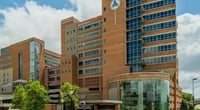
In terms of industrial base, the University of Alabama at Birmingham, or UAB, plays a dominant role in the local economy. UAB is the largest employer in Alabama and continues to hire in the healthcare and research sectors. With the addition of financial headquarters like Regions Financial and a manufacturing base, Birmingham has a relatively balanced industrial structure that does not overly depend on any single industry.
The unemployment rate has recently been maintained at a level in the low to mid-3 percent range, which is lower than the national average, and this is closely related to the stable job creation in the healthcare and finance sectors. Income growth rates are similar to or slightly more gradual than the national average, indicating a trend of gradual improvement rather than sharp wage increases.
In terms of infrastructure investment, the redevelopment of downtown and the creation of a startup ecosystem centered around Innovation Depot are noteworthy. Innovation Depot has grown into one of the leading startup support spaces in the Southeast, with an increasing number of biotech and health tech startups using it as a base for growth. The redevelopment of residential and commercial facilities in downtown is also ongoing, addressing urban hollowing issues.
Experts generally view the long-term growth potential with cautious optimism. The structural growth of the healthcare industry and the presence of a stable anchor institution like UAB are seen positively, but the relatively slow pace of population inflow compared to other growing cities in the South is mentioned as a risk factor. Regional economic indicators published by organizations like the Milken Institute often classify Birmingham as a mid-tier growth city rather than a top performer.
From a real estate investment perspective, Birmingham is a market where one can expect stable rental demand rather than aiming for rapid price increases. For Korean households, areas with steady demand from healthcare workers near UAB and suburban regions with good school districts like Hoover and Vestavia Hills are considered relatively attractive options. However, given the gradual pace of population growth across the city, it is necessary to adjust the approach based on whether the investment goal is short-term capital gains or long-term rental income.
- Stability of healthcare employment centered around UAB
- Downtown redevelopment and startup ecosystem
- Stable rental demand in suburban school district areas
In summary, Birmingham is more of a city that combines stability with gradual improvement rather than an explosive growth city. As long as the two pillars of healthcare and finance remain stable, it seems likely that the city will continue to experience steady economic trends without significant volatility over the next decade.
 Jellybean
 BaldMisari





 garlic bread |
 Sugar Cream Door Bulletproof Noodles |
 urbanmint |
 |
| 
 Premium Gas Camp |
 Information on All Regions of the United States |
 Skyline |
 Alabama Bang |
 draxen |
  gallery |
  milkyotter |
  Zoom Zoom Zoom |
  Minnesota Lakes and Clouds |
  noraro |
  tervox95 |
  vale vale |
  yentra |
  Golden life |
  andrew park |
  Peter Pan Pet |
  Balan |
  Cali M Law Group |
  neroyo |
  Dreams Come True as Desired |
  Khan Film Blog Production |
  coloradoman |
  Living Economy Information Blog |
  rustley |