

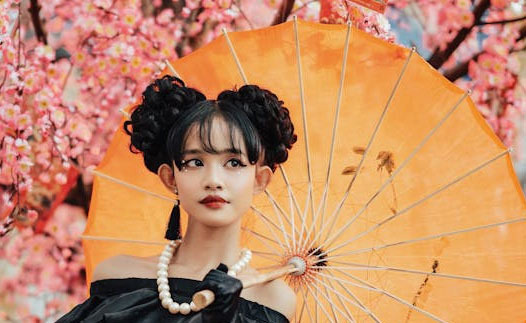
Japanese immigration began in earnest in the late 19th century. In the 1880s and 1890s, economic difficulties in Japan coincided with labor demands in the United States, leading Japanese people to start migrating to the U.S., primarily to Hawaii and California. Early Japanese immigrants mainly worked as agricultural laborers, with many employed on Hawaiian sugarcane plantations.
In the early 1900s, the number of Japanese immigrants surged, but discrimination against Japanese in the U.S. and immigration restrictions intensified. The Immigration Act of 1924 effectively blocked Japanese immigration, resulting in no further increase in Japanese immigrants. However, during World War II, Japanese Americans were forcibly interned in camps and faced many hardships.
After the war, in the 1950s and 1960s, Japanese immigration to the U.S. became active again alongside Japan's economic growth. Particularly, the Immigration and Nationality Act of 1965 significantly increased immigration from Asian countries, including Japan. Subsequently, in the 1980s and 1990s, corporate migration related to Japan's economic prosperity continued, and urbanized Japanese communities began to form.
Japanese Community
The population of the Japanese community in the U.S. has steadily grown, but it remains relatively small compared to other Asian immigrant groups. Nevertheless, Japanese people still play an important role among Asian immigrants in the U.S.
- The Japanese American population is estimated to be about 1.5 million as of 2020, which corresponds to about 0.5% of the total U.S. population.
- Japanese immigrants primarily reside in areas such as California, Hawaii, and New York. In California, particularly in the Los Angeles and San Francisco areas, Japanese communities are concentrated.
Distribution of Japanese Americans
- California: Japanese communities are actively formed in Los Angeles, San Francisco, and San Diego. In particular, San Francisco and Los Angeles are areas with a deep history of Japanese immigration, featuring many Japanese restaurants, shops, and cultural events.
- Hawaii: Hawaii is a region with a large number of Japanese immigrants, with the Japanese population ratio reaching about 20% of the total population. Japanese culture is deeply embedded in Hawaii, with many traditional cultural events and modern Japanese commercial activities taking place.
- New York: New York has a significant population of Japanese Americans, particularly in the Manhattan and Queens areas, where Japanese-style restaurants and shops are clustered.
Occupations of Japanese Immigrants
Japanese Americans are actively involved in fields such as education, technology, business, medicine, and diplomacy. There are many entrepreneurs and professionals, especially technical experts from Japan working in major companies and research institutions in the U.S.
Currently, the Japanese community plays an important economic and cultural role in the U.S. Japanese companies operate many branches in the U.S. and have a significant impact in industries such as automobiles, electronics, and software. Japan is also one of the largest foreign investors in the U.S.
Japanese Americans maintain traditional Japanese culture while integrating well into modern American society. Japanese language education and Japanese cultural events are actively conducted, and Japanese food and lifestyle are very popular in the U.S. Additionally, many Japanese Americans participate in social and political activities, and some Japanese American politicians are active in various states.
Future Prospects
With Japan's economic growth, the number of people immigrating from Japan to the U.S. may increase somewhat. In particular, there is expected to be high demand for immigrants in professional and technical fields. Additionally, due to issues related to Japan's aging society, there may be an increasing trend of people working in Japan moving to the U.S.
The Japanese community will continue to deepen its cultural integration with American society. It will combine traditional Japanese culture with modern influences, especially as the younger generation further develops various aspects of Japanese culture.
Japanese Americans are expected to exert more influence in political and economic fields. They may actively assert their rights and increase political participation.





 Korean Mom |
 novapixel |
 Peter Pan Pet |
 horse |
 Sunset Oregon |
 victoria 68 |
 Hawaii Tourist Information |

 TEX MEX STAR |
 Vacation on Hawaii |
  DREAM BIG |
  frostbite |
  330 Forever My Love |
  El Dorado |
  dralix58 |
  Gorama Round |
  Skydiving |
  dreamport |
  Yellow Snowman |
  Toaster Pizza Magic Show |
  velvetnom |
  Anytime Journey |
  Mrs. Duluth |
  jaxter |
  Atlanta Mama |
  Baguette Blog |
  Tan Sol |
  US Embassy |
  My NYC |