

Family members may not recognize you, and your sense of identity may fade away... In severe cases, it is often reported that individuals may smear their feces on the walls.
However, recent studies have been revealing interesting connections between these brain diseases and the gut.
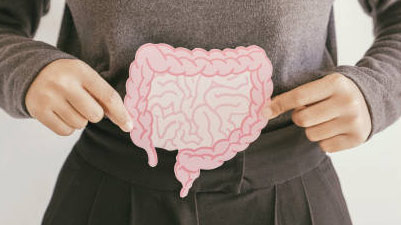
The pathway through which the gut and brain influence each other is commonly referred to as the gut-brain axis, and the idea that the state of gut microbiota can affect brain health is gaining traction.
Thus, there is growing interest in how gut probiotics relate to Parkinson's disease or dementia.
Parkinson's disease is caused by a gradual decrease in the cells that produce dopamine in the brain, and recent studies emphasize that the gut microbiota composition of Parkinson's patients is quite different from that of the general population.
In particular, the increase of harmful bacteria over beneficial ones can lead to inflammation in the gut, and this inflammatory signal may affect the brain through the nervous system, worsening symptoms.
Therefore, some studies suggest that reducing such inflammation through gut probiotics could lead to positive changes in the dopamine system. Simply put, "if the gut is in bad shape, the brain suffers too."
The same logic applies to dementia. Especially in cases like Alzheimer's disease, where protein accumulates in the brain, there is much talk about its deep connection to inflammation. However, since gut probiotics play a role in suppressing inflammation and maintaining microbial balance, there is hope that improving gut health could also alleviate brain inflammation.
Additionally, gut microbiota influences the production of neurotransmitters like serotonin and dopamine, and if probiotics help balance these substances, it could positively affect mood and cognitive function. Ultimately, a stable gut could lead to a clearer mind.
Therefore, research is actively exploring how probiotics, particularly probiotic supplements, can create connections with neurodegenerative diseases.
Hypotheses are increasingly being presented that suggest the possibility of reducing gut inflammation, maintaining a healthy gut barrier, and sending positive signals to brain function through the gut-brain axis.
Of course, it is still at a stage of possibilities rather than conclusions, but there is a growing atmosphere of accumulating evidence that gut microbiota balance can influence these diseases.
As research progresses, it may be thought that probiotic supplementation could become an important factor in managing brain health.







 neroyo |
 nivex85 |
 Old English |
 nixxon |
 LIZ Legal Information Blog |
 Margarine Daebimama |
 squidogame |
 eatontown blog |
 Living in New Jersey blog |
 Google Idea |
  Finding Superfoods |
  lightyear |
  song bang |
  vexomo |
  Indiana Jones |
  meloncat |
  novapixel |
  mortrix |
  Esther 1983 |
  fortbliss |
  Moscow Kim |
  My Two Way |
  toastyfox |
  FLORIDA Acus |
  tracker |
  TONTON COFFEE |
  sunrise |
  ultron78 |
  uplifted |
  Folding Instructions |