


The first time I searched for a one-bedroom apartment rental in San Francisco, I looked away from the screen and then back again.
A studio listed at $3,200 was classified as 'affordable.' The cost of living index of 200 simply means it is double the national average. This level ranks among the highest compared to any major city in the country, with New York (188) and Honolulu (188) slightly below.
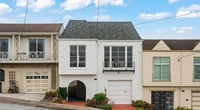
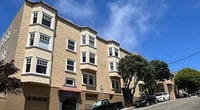
Housing costs are the biggest burden. According to Zillow data, the median rent for a one-bedroom apartment in San Francisco is estimated to be between $3,000 and $3,800 per month as of 2024. Considering the national median rent is between $1,500 and $2,200, this is nearly double. Home prices also often exceed a median of $1.2 million, meaning housing costs can take up 40-50% of a household budget. Although the city government has rent stabilization policies, the market price effectively applies to new tenants.
Grocery costs are also significantly higher than the national average. According to Numbeo, food prices in San Francisco are estimated to be about 15-25% more expensive than the national average. For a family of four, monthly grocery costs can reach $1,200 to $1,600, and dining out can be even more burdensome. Expect to pay $25 to $40 per person for a brunch meal. However, some neighborhoods like the Mission District still have relatively affordable grocery stores, allowing budget-conscious families to manage their expenses somewhat.
Transportation costs may be disappointing if you expected a city with well-developed public transit like Seoul. Owning a vehicle can lead to insurance and parking costs of $600 to $900 per month. In contrast, using a combination of Muni and BART can allow for city travel at around $100 to $150 per month. For those commuting from the Richmond District or Sunset District, a combination of BART and buses can be an economical choice. Utilities (electricity, gas, water) can be kept lower at around $120 to $180 per month due to the mild weather, which reduces heating and cooling costs compared to the national average.
According to the MIT Living Wage Calculator, a single adult without children in San Francisco needs an estimated wage of about $27 per hour to maintain a basic standard of living. For a family of four, an after-tax income of $130,000 to $160,000 is suggested to live comfortably. While this income level is realistic for tech workers, those in service, hospitality, or small businesses may still find it challenging to make ends meet.
There are also differences between cities within the Bay Area. San Jose (195) and Oakland are also expensive, but rents tend to be slightly lower than in downtown San Francisco. Some areas in the South Bay or parts of East Bay, which are within the same commuting zone, have rents that are 10-20% lower, making it common for people to live in nearby cities while working in San Francisco. It seems that Korean families are increasingly choosing areas south of the city, such as Daly City and Millbrae, over the Richmond District.
Ultimately, San Francisco is a city where high income opportunities coexist with rapidly rising living costs. If considering a move, it would be practical to prioritize housing costs and expand the search to nearby areas that are commutable to the workplace. While it is not easy to keep rent within 30% of monthly income, it is clear that the city still has a strong pull in terms of career growth.
 MagicPeak78
 WeekendGone





 |
| 
 Premium Gas Camp |
 CA Real Estate |
 cheesepup |
 breezem |
 my town K blog |
 Nuchuhan Exploration BLOG |

 Sirin Solitude and Advancing Hand in Hand |
 Granola |
  joyfull yang |
  Olivia's Blog |
  Living in America and Writing Essays |
  Piano Teacher Blog |
  bearcup |
  explorer |
  dictionary |
  Mr Bull Jung |
  radiant |
  Georgia 88 |
  Great TOWN NEWS |
  Open Flex Mind |
  Hartford Blog |
  unified |
  Generation X |
  ringwinds |
  American Food Information & Calories |
  Hawaii Maui Kahului |
  calvorn |