
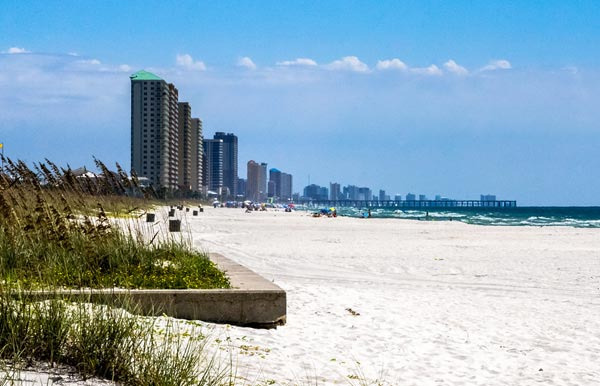
Living in Florida means always living with sunshine, but it is also a life inseparable from the word 'hurricane'.
Around June, when summer begins, you start to hear the news about 'this year's hurricane season outlook'. At first, it sounds like a story from a distant land, but when you actually live in Florida, you realize that this is not just weather news but 'lifestyle information'. Florida's hurricane season usually lasts from June to November, with August and September being the most tense periods. During this time, the sky looks heavier than usual, and the humidity rises, making the air feel damp. Even a slight gust of wind changes people's expressions. Conversations like "Which way is it coming this time?" pass between neighbors like greetings.
When a hurricane is approaching, the atmosphere in the neighborhood changes dramatically. Supermarkets quickly run out of emergency supplies like bottled water, batteries, canned goods, and flashlights, and gas stations have long lines. When I first moved to Florida, I thought people were overreacting, but once you experience it firsthand, you understand why. The inconvenience of power outages lasting for days, food in the refrigerator spoiling, and having to navigate roads without functioning traffic lights is beyond imagination. Therefore, for Floridians, 'hurricane preparedness' is a kind of daily routine. Everyone has emergency bags, flashlights, portable chargers, water containers, and even generators ready to go.
However, it's not all scary moments. After a hurricane passes, looking at the calm sky brings a strange feeling. It feels like the world has paused for a moment and is now breathing again. Even while seeing fallen palm trees and broken signs in the streets, people start to help each other. If the neighbor's power comes back first, they might say, "Can we use your outlet?" with a smile, and those with generators might share power for refrigerators with their neighbors. Such warm moments make the post-hurricane landscape less frightening.
Another interesting thing is that Floridians remember the names of hurricanes. If you ask, "Do you remember what it was like during Irma in 2017?" everyone brings up stories from that year. Some years, roofs are blown away overnight, while other years, it just rains heavily and ends. Hurricanes are unpredictable, but they also become a part of Floridians' 'memories'. When school is canceled, kids gather with friends for a "hurricane party", and adults joke while boarding up windows. Underneath that ease lies the sentiment that 'this too shall pass'.
Of course, there are times when the damage is severe. Homes along the coast face a high risk of flooding, so insurance premiums are quite expensive, and recovery takes a long time. But people choose to live by the sea despite that. The reason is simple. The beauty of Florida is strong enough to overcome even hurricanes. The clear skies, warm winters, and the allure of endless beaches are powerful enough to outweigh all those risks.
In the end, hurricanes in Florida are not just natural disasters but a part of the rhythm of life. It's about preparing, enduring, and recovering, just like the seasons that return every year.





 Rainbow Bridge to the Sky |
 Taco Bell Candy Note Blog |

 Splendid Mission |
 Korean Mom |
  My NYC |
  moo moo |
  Mr Oh |
  forevergee |
  festival |
  manchester |
  constant |
  Leapfrog Move |
  vibranto |
  Tora Tora |
  yellowbutter |
  Dolly |
  US Embassy |
  NYC saladbar |
  Finding Superfoods |
  lightyear |
  song bang |
  vexomo |
  Indiana Jones |