
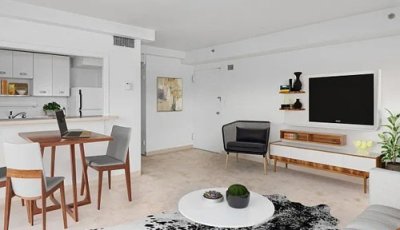
As of early July 2026, the average rate for a 30-year fixed mortgage is around 6.6%, ranging from 6.55% to 6.72% (Freddie Mac PMMS). For those looking to buy their first home in Vermont, it's hard to ignore this rate news. When comparing Burlington itself to nearby South Burlington, the perceived burden of the same rate can feel quite different.
According to Zillow, the average home value in Burlington is $519,611 (as of June 30, 2026, down 1.9% over the past year). In contrast, other postal code aggregations show an increase of 8.5% to $505,850, indicating that even within the Burlington metropolitan area, there are significant differences depending on the neighborhood. Movoto reports that the median sale price of homes in Burlington was $499,000 in May 2026.
Applying a 6.6% interest rate to this price range makes the impact more tangible. Assuming a 10% down payment on a $519,611 home, the loan principal would be about $467,650, resulting in a monthly principal and interest payment of approximately $2,985 based on a 30-year fixed rate of 6.6%. Adding Vermont's property tax further increases the financial burden.
Vermont's effective property tax rate averages 1.70%, ranking among the highest in the U.S. (Ownwell report, median property tax $4,648). Other reports show a range from 1.51% to 1.74%, reflecting the varying tax rates set by different towns in Vermont. For a $519,611 home, annual property taxes could be around $8,800, which may be overlooked by families coming from states with lower property tax rates.
If the down payment is a concern, it's worth looking into the ASSIST program from the Vermont Housing Finance Agency. This second mortgage program offers up to $10,000 to assist with down payments and closing costs, with repayment required when the home is sold or refinanced. First-time homebuyers who have never had a parent or guardian own a home can receive an additional $15,000 grant through the First-Generation Homebuyer Program, potentially totaling $25,000 to $30,000 in assistance when combined with ASSIST.
It's also important to consider the differences in interest rates based on credit scores. Rates are 6.59% for scores above 780, 6.66% for the 760 range, 6.75% for the 740 range, and 6.91% for the 700 range. Checking your credit report before applying for pre-approval and preparing recent income documentation, bank statements, and pay stubs can streamline the process.
Some may be weighing the choice between fixed-rate and adjustable-rate mortgages (ARMs). An ARM, which offers a lower rate for the initial years, can be beneficial if you plan to move or sell within five years. However, in a fast-moving market like Burlington, where inventory is quickly depleted, a 30-year fixed mortgage may provide more stability in monthly payments.
Closing costs typically range from 2% to 5% of the loan amount. For a loan in the $460,000 range, this could mean closing costs between $9,000 and $23,000. A home inspection is also a necessary step before closing, especially in Vermont, where many homes are older, and it's wise to pay close attention to the heating system and roof condition. After closing, it's common for monthly principal and interest payments to be collected along with property taxes and insurance in an escrow account, which can feel more significant in areas like Vermont with higher property taxes.
Even within the Burlington metropolitan area, price trends and tax burdens can vary significantly by neighborhood. The figures discussed here may change based on timing and town, so it's advisable to verify them again when considering a purchase. This is not investment or legal advice, and it's recommended to consult with local lenders and real estate professionals before finalizing any contracts.
 HodlWins
 HeartPopper






 moo moo |
 ultron78 |
 garlic bread |

 urbanmint |
 xelton52 |
 nuvex11 |
 Vermont Capt |
 Joseon Dynasty Seal Enthusiasts |
  urban legend |
  coolriver |
  Good Neighborhood, Wealthy District Information |
  Ro Ro Car |
  Amber H |
  new sugar |
  Palm 1000 |
  loran |
  donutfield |
  Tennis City |
  sunny7 |
  Questions about firearms while living in America |
  Shoot Me |
  mochifox |
  zucchini |
  Anna Life |
  Exciting FM Radio |
  pet dog |
  toodin |
  rosed |