
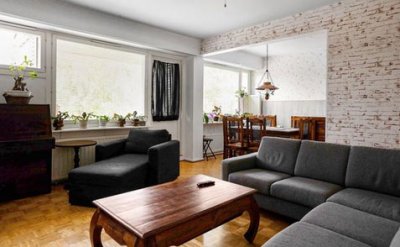
Flushing is densely packed with commercial areas and residential neighborhoods along the 7 subway line, and it has been recognized as a neighborhood with a fast turnover of listings due to a steady influx of Asian immigrants over the years. Because of this characteristic, it is relatively rare for first-time homebuyers to find available properties, and prices are generally higher than in other areas of Queens.
According to Zillow, the average home price is $786,523 (as of June 2026, up 3.1% from a year ago), and it takes an average of 44 days for a property to sell. Redfin reports the median sale price is around $687,000, and if we look specifically at downtown Flushing, the median price over the last three months is $656,000, which is a 13.1% increase from a year ago. Due to the high proportion of condos and co-ops, there is a wide price range depending on the type of property.
The process for checking loan conditions is similar to other areas. You need to check if your credit score is above 580, how much you have prepared for a down payment, and whether the monthly payment at the current fixed rate (around 6.6% as of July 2026, Freddie Mac PMMS) is manageable. For FHA loans, a score above 580 requires a 3.5% down payment, while a score between 500 and 579 requires a 10% down payment. Conventional loans start at 3%, but if the down payment is less than 20%, PMI will apply (according to FHA.com and NerdWallet). If you are dealing with a condo or co-op, you should also check whether board approval is required. Co-ops often require the board to review income and assets separately from bank approval, which can add an extra step to the process depending on the listing.
The property tax situation is advantageous since it is located within New York City. The effective tax rate for Class 1 is around 0.88% (according to turbotenant.com), which is lower than in upstate New York. However, condos and co-ops have separate maintenance fees (Common Charge, Maintenance), so it is safer not to judge the actual monthly burden solely based on property taxes. For families moving from other states or Korea, it is advisable to understand the structural differences between condos and co-ops. Co-ops tend to have lower sale prices but may require board review in addition to bank loan approval, while condos have higher initial costs but a relatively simpler process.
The New York State SONYMA Achieving the Dream mortgage offers a 30-year fixed low-interest rate with a 3% down payment, and with DPAL PLUS, you can receive up to $30,000 for down payment and closing costs (according to hcr.ny.gov). In areas like Flushing, where listings sell quickly, obtaining pre-approval first can be advantageous in actual offer competitions.
Closing costs are also an item to calculate in advance. In New York City, the mortgage recording tax and real estate transfer tax can increase the buyer's burden to around 4% to 6% of the home price. For a property priced around $780,000, this translates to approximately $31,000 to $47,000 in additional costs. Lenders also check the debt-to-income ratio (DTI) along with the down payment; for FHA loans, the standard is 43%, while conventional loans range from 36% to 45% (according to CFPB and Zeitro data).
If families are looking to settle based on school districts, they should refer to ratings from GreatSchools or Niche for assigned schools, but it is advisable to verify based on the specific address before purchasing. For investment purposes, while the steady influx of population supports demand, it is important to consider that this does not guarantee price increases. This article is not investment or legal advice, and it is recommended to consult with professionals before finalizing any contracts.
 GingerKart
 LeeMuSong






 moo moo |
 ultron78 |
 garlic bread |
 Sugar Cream Door Bulletproof Noodles |
 urbanmint |
 TwinBee |
 Vasila's Newlywed Blog |
 Mist inn |
 Delicious Food Finder |
 nova nova |
  urban legend |
  coolriver |
  Good Neighborhood, Wealthy District Information |
  Ro Ro Car |
  Amber H |
  new sugar |
  Palm 1000 |
  loran |
  donutfield |
  Tennis City |
  sunny7 |
  Questions about firearms while living in America |
  Shoot Me |
  mochifox |
  zucchini |
  Anna Life |
  Exciting FM Radio |
  pet dog |
  toodin |
  rosed |