

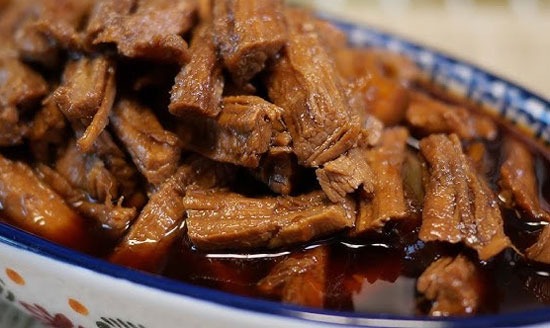
Pork jangjorim is quite affordable haha.
If you have a jar of jangjorim in the fridge, it may not be a fancy dish, but at least you can feel at ease.
It's a reliable option for a quick meal after a busy day.
Now, let's make pork jangjorim~~
The advantage of pork jangjorim is its low cost. You can make a generous amount using pork tenderloin or loin, which is much cheaper than beef, allowing you to prepare a week's worth of side dishes at once.
The texture is also a plus. While beef can become tough if cooked too long, pork tenderloin easily shreds along the grain, making it easy for both kids and seniors to enjoy.
Moreover, the jangjorim broth is a hidden treasure of the dish. It can be used in various recipes like butter jangjorim bibimbap, fried rice, and stir-fried fish cakes, so nothing goes to waste.
The key to delicious jangjorim lies in two things: removing any off-flavors and achieving a savory taste without being too salty.
If you keep these two points in mind, you can create a deep flavor.
The ingredients needed are 600g of pork tenderloin or loin, a handful of quail eggs or regular eggs, and jalapeños.
When boiling the meat, add the roots of green onions, whole garlic, whole peppercorns, ginger, and half a cup of soju to 1 liter of water for added aroma. The basic braising sauce consists of 3 cups of the meat broth, 1 cup of soy sauce, half a cup of sugar, and a quarter cup of cooking wine.
The cooking steps are important. First, soak the pork in cold water for 30 minutes to remove blood, then blanch it in boiling water for about 5 minutes to eliminate impurities. This process will effectively remove any off-flavors. Next, simmer the meat in water with aromatic vegetables for about 30 to 40 minutes. Once the meat is cooked, remove it and let it cool slightly before shredding it by hand along the grain. This ensures the seasoning penetrates well and maintains the texture.
Now, it's time to braise. Strain the meat cooking water to keep only the broth, then add soy sauce, sugar, and cooking wine, along with the shredded meat and quail eggs. Start on high heat, then reduce to medium-low once it begins to boil, simmering until the broth reduces by half. In the last 5 minutes, add jalapeños for extra flavor, and finish with a drizzle of oligo syrup and sesame seeds for shine.
Jangjorim shines especially on the tables of busy professionals. In the morning, just a piece of butter on warm rice, a generous serving of jangjorim, a spoonful of broth, and a soft-boiled egg make a wonderful meal. It's great as a lunchbox side dish, and if you add a little broth, the rice won't dry out, allowing you to enjoy it until the end.
Once you make pork jangjorim, it becomes a reliable side dish for a week.
Make a jar of jangjorim this weekend. The deep flavor from simple ingredients will bring you more happiness than you might expect.







 Moscow Kim |
 Seattle - Emerald City |
 self-evaluation |
 Sandiego Auntie |
 Karina's Blog |
 Until the Day It Gets Better |
 Sunny Sunny with the Sun |
 Sunny Fullerton |
 Snack-like Blog Writing |
 Enjoying Samba at Home |
  Korean Mom |
  My NYC |
  moo moo |
  Mr Oh |
  forevergee |
  festival |
  manchester |
  constant |
  Leapfrog Move |
  vibranto |
  Tora Tora |
  yellowbutter |
  Dolly |
  US Embassy |
  NYC saladbar |
  Finding Superfoods |
  lightyear |
  song bang |
  vexomo |
  Indiana Jones |