

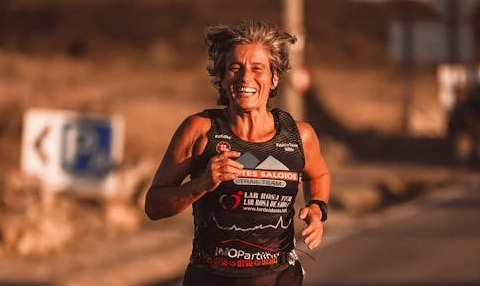
People tying their running shoes and cutting through the early morning darkness, professionals cycling up tough hills, and office workers swimming laps after work—what do they have in common?
They are all endurance sports enthusiasts who are willing to invest time and money to challenge their limits.
Statistics from USA Triathlon, USA Running, and USA Cycling show that these individuals earn over $100,000 annually, most have a college degree, and the majority work in white-collar jobs.
Even with busy schedules, they carve out time in the early morning, during lunch, or after work to train, and they willingly open their wallets for equipment, competition entry fees, and travel costs.
So why are these relatively affluent individuals drawn to 'voluntary suffering'?
First, it's the pleasure derived from clear goals and immediate feedback.
Achieving goals like completing a marathon, increasing cycling distance, or breaking triathlon records aligns well with the white-collar tendency to want to visually confirm their achievements.
Second, it's the sense of accomplishment experienced through the 'body'. Most of these individuals primarily engage in mental labor at work, so the process of sweating and pushing physical limits provides new feelings of success. Unlike work results that may take months to materialize, the training curve reflects progress relatively quickly based on consistent effort. This immediacy plays a significant role in alleviating workplace stress and boosting self-esteem.
Third, it's about high health consciousness and managing lifestyle image. Running 30-40 km a week or maintaining a morning swimming routine lowers body fat, cholesterol, and blood pressure while enhancing a 'well-being' brand. Especially on social media, showcasing a healthy and self-directed image is appealing. The praise, respect, and networking gained through social proof are also rewards that cannot be overlooked.
Fourth, it's the fun derived from equipment, travel, and community culture. 'Tech toys' like carbon frame bicycles, imported running shoes, and power meters are attractive to professionals accustomed to IT devices. Additionally, traveling to major competitions like Boston, Berlin, and Kona becomes a sort of 'premium leisure package' for those with higher income levels, often combined with family trips or business travel. Expos and club meetings held before and after competitions also serve as networking opportunities.
Fifth, they strongly respond to the narrative of "beating yesterday's self". Those under pressure to 'continue growing', like MBA graduates, professionals with certifications, or investment portfolio managers, find that endurance sports, where records and rankings can be quantified, align with their self-improvement journey.
Testing limits and achieving extreme challenges like ultramarathons or Ironman competitions instills confidence that "if I can do this, I can succeed at work too." Ultimately, endurance sports offer high-income, highly educated individuals verifiable achievements, immediate rewards through physical experience, health and image management, consumption of equipment, travel, and community, as well as a narrative of self-improvement.
While there are still environmental barriers that require money and time to enter, for those who overcome these barriers, a 'joy in suffering' that enriches life awaits. In short, those who challenge their endurance are investing in themselves and, in return, achieving goals of records, health, self-esteem, and the desire for display through social media.






 Tora Tora |
 neroyo |
 nivex85 |
 Old English |
 nixxon |
 Tart Tart |
 tiramisu |
 bagel90 |
 lattecu |
  NO CAP LIFE |
  US Embassy |
  Korean Mom |
  My NYC |
  moo moo |
  Mr Oh |
  forevergee |
  festival |
  manchester |
  constant |
  Leapfrog Move |
  vibranto |
  yellowbutter |
  Dolly |
  NYC saladbar |
  Finding Superfoods |
  lightyear |
  song bang |
  vexomo |
  Indiana Jones |