

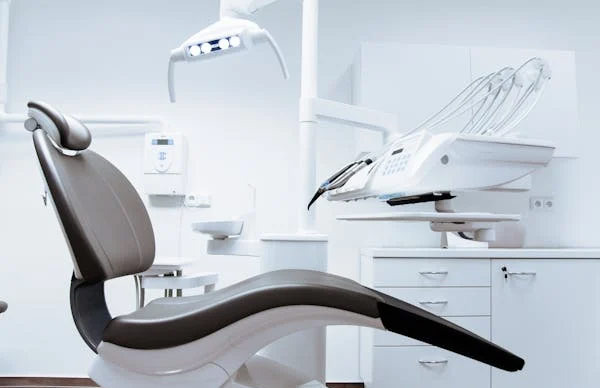
Even with general health insurance, dental care is treated separately, so without dental insurance, even a small cavity treatment can be very expensive.
There are types of dental insurance, with the most common being HMO and PPO.
HMO requires you to designate a primary care dentist, and you need that dentist's approval to see other specialists. However, the premiums are lower, and it focuses on basic care, which reduces the burden. But there is a limitation that you can only go to doctors within the network. In contrast, PPO allows you to choose hospitals or doctors freely and visit specialists directly without a primary care dentist's approval. The premiums are higher than HMO, but you can go to dentists outside the network, although benefits will be reduced in that case.
U.S. dental insurance has an annual maximum coverage limit. Generally, it ranges from $500 to $1,500, and since a single crown can cost over a thousand dollars, it is common to reach the limit with just two crowns. Therefore, if you plan for major treatments, it might be strategic to spread them out over different years rather than doing them all in one year.
For example, the cost of a root canal without insurance is typically over $500, and even with insurance, you usually have to pay about half of it yourself. For crowns, even with insurance, it can still cost nearly $1,800, so having insurance does not guarantee complete peace of mind.
When choosing insurance, there are several factors to consider. You need to check if the monthly premium and annual coverage limit suit you, whether your frequently visited dentist is in the insurance network, and how much coverage is provided for major treatment items like preventive care, basic treatment, and crowns. U.S. dental insurance has lower benefit limits and restricted coverage ratios compared to general health insurance, so there will inevitably be some out-of-pocket expenses even if you enroll.
As a result, some people opt for a Dental Discount Plan instead of insurance. This involves paying a relatively low monthly fee and receiving discounted prices whenever you get treatment at designated dentists. The advantage is that there are no annual limits like insurance, and you can receive benefits immediately upon enrollment.
Ultimately, dental treatment in the U.S. is so costly that whether you choose insurance or a discount plan, you need to make careful choices based on your situation and needs. Additionally, considering the insurance benefit limits and network scope when planning treatment can help reduce costs somewhat. It may seem a bit funny that you have to strategize before going to the dentist, but this is the reality in the U.S.







 neroyo |
 nivex85 |
 Old English |
 nixxon |
 LIZ Legal Information Blog |
 newyorker 101 |
 Things to Do to Buy a House |
 Lunch and Dinner Mexican Taco |
 International Court |
 French fries |
  Tora Tora |
  yellowbutter |
  Dolly |
  US Embassy |
  NYC saladbar |
  Finding Superfoods |
  lightyear |
  song bang |
  vexomo |
  Indiana Jones |
  meloncat |
  novapixel |
  mortrix |
  Esther 1983 |
  fortbliss |
  Moscow Kim |
  My Two Way |
  toastyfox |
  FLORIDA Acus |
  tracker |