

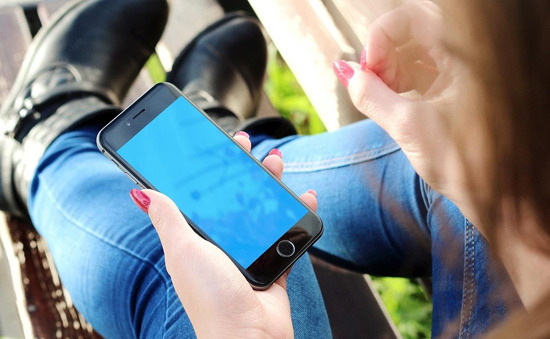
In America, for the younger generation, smartphones mean more than just a device for communication. They are like small computers that fit in the palm of your hand, serving as a kind of "operating system for life" that manages the start and end of my day.
The dozens of apps on the screen feel less like mere programs and more like a versatile device that connects to my daily life and all my habits.
When I wake up in the morning, the first thing I do is grab my phone. From the moment I turn off the loud alarm, I start my day by checking work apps like email, Slack, and Teams. On my commute, whether on the subway or in the car, I listen to my favorite music on Spotify or watch YouTube videos to shake off the morning fog. Even this short travel time flows within the rhythm created by the apps.
Once I arrive at the office, work apps take center stage in my day. Calendars, project management tools, and cloud documents send me constant notifications. It feels like a distant memory when I used to work only at my desk with a paper notebook. For young professionals like me, mobile apps serve as desks, meeting rooms, and sometimes even reports.
During lunch, another world opens up. Apps like Instagram, TikTok, and YouTube fill my break time. I browse through friends' travel photos and watch entertaining videos, finding a brief escape from the stresses of daily life.
The scene after work isn't much different. Meeting new people in a busy life isn't easy, so dating apps like Tinder and Bumble often become important gateways for connections. The process of swiping through photos, chatting to find common interests, and making weekend plans can be exciting for some and exhausting for others, but one thing is clear: these apps have completely changed the way we form relationships.
Even when I travel, having my phone is reassuring. I find the best flight deals on Kayak or Google Flights and book accommodations through Airbnb. Once I arrive at my destination, I can go anywhere with just Google Maps and Uber. Unlike the past when I had to visit travel agencies, everything is now resolved within the palm of my hand.
Even buying a birthday gift for a friend can be done with just one app. I may not have time to go to a store, but I can buy a gift card from Amazon or Starbucks and send it via text. With just a few clicks, I can convey my feelings, and my friend can use it immediately, making the way we give and receive gifts feel very digital.
Mobile games that I enjoy before sleeping or during free time are also a significant source of joy. From light puzzles to multiplayer games with friends, my phone becomes a small arcade that I can access anytime, anywhere.
However, apps are not just tools for entertainment. I use meditation apps to calm my mind, fitness apps to track my exercise, and budgeting apps to keep a close eye on my spending. They even help with language learning and reading logs, making my phone feel like a highly capable "personal assistant."
Of course, behind this convenience lies a shadow. The constant notifications, feelings of relative deprivation when seeing others' glamorous lives, and mental fatigue from excessive screen time can be overwhelming. So sometimes, I intentionally turn off notifications or try to keep my phone away on weekends to maintain balance.
Nevertheless, it's hard to imagine a life without apps now. From banking to making medical appointments, grocery shopping, and even voting information, everything is done through apps. For young professionals living in America, apps have become a necessary survival strategy rather than just an option.
Ultimately, all aspects of my work, leisure, relationships, and self-development are intertwined within this small screen. I find myself becoming more cautious about which apps I download and how I use them, as I believe the quality of my day is determined by these choices. Used wisely, they can be the most powerful tools, but misused, they can consume my life.
So today, I continue to try out new apps and boldly delete unnecessary ones as I seek my own balance. In the end, I believe the most important factor is not the smart device itself, but how I choose to use it.







 El Dorado |
 lightyear |
 Moscow Kim |
 coloradoman |
 Montgomery Mom |
 newyorker 101 |
 Things to Do to Buy a House |
 U.S. Weather Bureau News |
 International Court |
 Lunch and Dinner Mexican Taco |
  Tonky |
  viroma |
  cookie |
  Live and that's it |
  Alright Twain |
  eatontown blog |
  HAWAII Korean Church News |
  Amore |
  linex |
  Balancework |
  laro90 |
  MEDBIO American Doctor Blog |
  SWAT TEAM BLK |
  DREAM BIG |
  frostbite |
  330 Forever My Love |
  dralix58 |
  Gorama Round |
  Skydiving |