
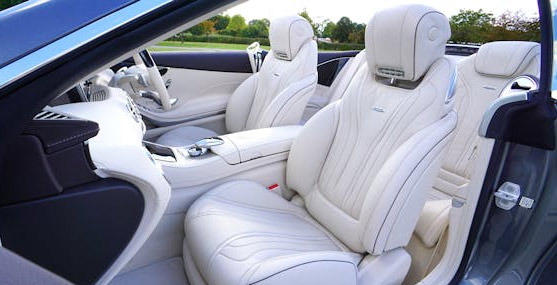
The shrinking convertible car market is the result of a combination of changes in the automotive industry and shifts in consumer preferences.
Once a symbol of style and freedom, convertibles are gradually losing public interest, with several factors accelerating this decline.
History of the Convertible Market
Early Years: 1920s-1940s
- Birth of the Convertible: Convertibles were a common type of vehicle in the early automotive industry, as most cars at the time had fabric-covered roofs that could be opened.
- Popularization: In the 1930s, convertibles established themselves as luxury cars emphasizing both function and style.
Golden Age: 1950s-1960s
- Post-War Economic Boom: After World War II, the U.S. enjoyed economic prosperity, leading to a culture that valued lifestyle.
- Iconic Models Emerge:
- Chevrolet Corvette
- Ford Mustang Convertible
- Cadillac Eldorado
- Symbol of Style: Convertibles became known as vehicles that expressed individuality and symbolized freedom.
Decline: 1970s-1980s
- Stricter Safety Regulations: The U.S. government pointed out safety issues with convertibles and introduced stringent regulations.
- Example: Issues protecting passengers in rollover accidents.
- Oil Crisis: The oil crisis of the 1970s made fuel efficiency a critical factor, leading to a decline in the popularity of convertibles.
Revival: 1990s-2000s
- Introduction of New Technologies: The introduction of hardtop convertibles and automated roof systems improved safety and convenience.
- Resurgence of Luxury Brands: European brands like BMW, Mercedes-Benz, and Audi redefined convertibles as luxury vehicles.
Current State of the U.S. Convertible Market
Market Share
- Convertibles currently account for about 1% of the total automotive market.
- While their market share has decreased due to the rising popularity of SUVs and pickup trucks, they still hold strong positions in the luxury and sports car segments.
Popular Models
- Ford Mustang Convertible: The representative model of American convertibles.
- Mazda MX-5 Miata: Popular for its reasonable price and excellent driving performance.
- BMW Z4: A premium roadster, popular among European brands.
Consumer Trends
- Convertibles are primarily purchased by those enjoying a leisurely lifestyle or as a second vehicle.
- They are particularly popular in warm climate regions (California, Florida).
Causes of the Decline in the Convertible Market
Changes in Consumer Preferences
- Popularity of SUVs and Crossovers: Consumers prefer SUVs that offer practicality and spaciousness. Convertibles are not suitable for family consumers due to limited trunk space and cramped back seats.
- Lack of Practicality: Convertibles are often seen as second cars, frequently used by young affluent individuals.
High Costs
- Increased Production Costs: Convertibles require additional design to enhance body rigidity due to their roofless structure, increasing production costs.
- Maintenance Costs: The soft tops or hard tops of convertibles are prone to damage, leading to high replacement costs and complex maintenance.
- High Initial Prices: Convertibles are generally released as luxury models, making them less accessible to average consumers.
Safety and Climate Issues
- Safety Concerns: The difficulty in protecting passengers during rollover accidents is a weakness of convertibles.
- Climate Constraints: Weather conditions like rain, snow, and intense sunlight create uncomfortable environments for convertible use.
Changes in Market Strategy
- Shift in Manufacturer Priorities: Automakers are investing more resources in developing SUVs and electric vehicles with higher profitability.
- Transition to Electrification: As the electric vehicle market expands, convertibles are struggling to shed their traditional internal combustion engine image and are declining.
Convertibles were once seen as a dream for the younger generation, but today's young consumers show more interest in technology (smartphones, software, etc.) than in vehicles. As the concept of vehicle ownership changes, the symbolic value of convertibles is also diminishing.
The convertible car market has significantly shrunk compared to its past glory, but it will not disappear completely.
- The market is likely to shift focus from mass demand to luxury and limited edition models.
- Advancements in electric vehicles and autonomous driving technology may open new possibilities for the convertible market.
While convertibles are no longer a popular vehicle type, they will remain an attractive option for consumers seeking individuality and uniqueness.








 Weekend Movie Blog |
 Beauty, Health, Lifestyle Blog |
 coloradoman |
 Superman Cat Blog |
 Awesome Blog |
  manchester |
  constant |
  Leapfrog Move |
  vibranto |
  Tora Tora |
  yellowbutter |
  Dolly |
  US Embassy |
  NYC saladbar |
  Finding Superfoods |
  lightyear |
  song bang |
  vexomo |
  Indiana Jones |
  meloncat |
  novapixel |
  mortrix |
  Esther 1983 |
  fortbliss |
  Moscow Kim |