

These days, when asked about the secrets to longevity, I tend to know the answer well.
Typically, common knowledge suggests health management through exercise and health check-ups, weight and nutrition management through diet, and mental stress management.
Of course, all of these are important, but there is one more thing that doctors are increasingly emphasizing: dental and gum care.
The reason gum care is important is that bacteria living in the mouth can enter the bloodstream through gum inflammation, circulating throughout the body.
This can unexpectedly exacerbate issues like heart disease, stroke, and diabetes.
If your gums bleed frequently, it's not just a sign that you brushed too hard today.
It should be seen as a warning signal for your overall body condition.
As you age, you need to pay more attention to this.
After 70, immunity decreases, and if chronic gum inflammation is present, aging accelerates.
Discussions about dementia are also relevant. Proper chewing stimulates the brain, and if your teeth weaken and your chewing power decreases, memory and concentration can also be affected.
When you see elderly people living healthily, it's not just by chance that they chew their food well with their own teeth.
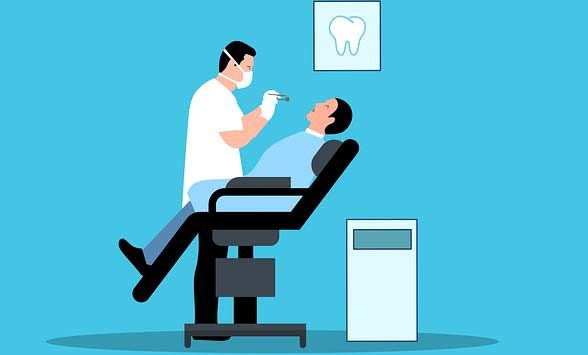
The dentist is not just a place to visit when in pain. Regular check-ups for scaling and gum condition assessments are essential.
I also see extreme cases around me.
People who delay dental care by saying, "What can I do at this age?" often end up having multiple extractions and getting dentures, leading to digestive issues and a significant drop in physical strength.
In contrast, those who consistently visit for gum treatment every six months or once a year maintain good eating habits and activity levels even into their 70s and 80s.
Daily management is not difficult.
Brushing three times a day, including morning, evening, and lunch, and using dental floss as a habit is advisable.
Oral irrigators require some effort, but the results are definitely worth it.
Reducing sugary foods and late-night snacks while drinking water frequently helps wash away bacteria in the mouth.
Simply cutting out the last snack before bed can significantly reduce bacterial growth overnight.
Let's also change our perspective on insurance. Instead of viewing dental care as an "expense," consider it a "preventive investment" for overall health.
A few scaling sessions and minor gum treatments can save on hospital bills, medication costs, and improve quality of life.
If you don't have a plan, the best solution is to call the dentist today and schedule an appointment. Delaying can quickly turn into another month or two.
The conclusion is simple. To live long, you must take care of your mouth first.
Protecting your teeth and gums is ultimately the way to protect your heart, blood vessels, and brain as well.
If you've been postponing your dental appointment, let's prioritize that first. For the next
10 or 20 years, there are few investments as certain as this for eating deliciously and staying healthy.






 Beauty, Health, Lifestyle Blog |
 Weekend Movie Blog |
 Victory 1988 |
 coloradoman |
 Superman Cat Blog |
  Swift Falcon |
  venture |
  SPAM 101 |
  choi family |
  zoryan |
  cloud0 |
  SKy Face |
  wonder |
  Dragon Lee |
  productionblog |
  What can make money? |
  Oklahoma Hoya OK |
  prixon74 |
  Roman Pan |
  USALATU BLOG |
  Sunshine Blog |
  Minnesota Small Business |
  Strawberry Pancake Warrior |
  amolayo |
  korvon |