
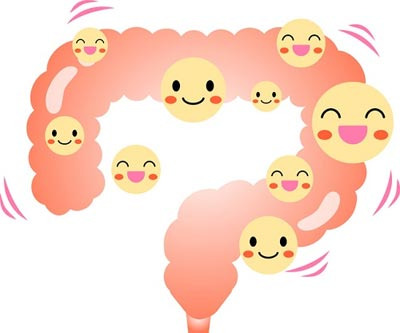
Recently, as interest in health has increased, the term 'gut bacteria' has become more common. Today, I will talk about what gut bacteria are and why they are important.
First, gut bacteria refer to the bacteria that reside in our intestines and have a positive effect on our bodies. You may also know them by the term 'probiotics.' These beneficial bacteria play various roles, such as enhancing the immune system and improving digestive function.
Roles of Gut Bacteria
- Assisting Digestion and Absorption
Gut bacteria help produce digestive enzymes and break down food that we cannot digest well (such as fiber). By efficiently extracting nutrients from food, the energy utilization increases, right? - Strengthening Immunity
Our intestines are densely populated with immune cells, so gut health is closely related to the overall immune system. Beneficial bacteria prevent pathogenic bacteria and viruses from thriving and strengthen the intestinal mucosa, increasing our body's resistance to external invasions. - Inhibiting Harmful Bacteria
Beneficial bacteria occupy a large space in the intestines and prevent harmful bacteria from over-reproducing. When harmful bacteria become excessive, symptoms of digestive discomfort, such as bloating, may appear, and immunity can decrease. At this time, beneficial bacteria play a crucial role in maintaining balance.
- Assisting Digestion and Absorption
What Foods Help Beneficial Bacteria?
- Fermented Foods
Foods like kimchi, doenjang, cheonggukjang, and yogurt are rich in beneficial bacteria, including lactic acid bacteria. Not only do we directly consume good bacteria, but they also create an environment where beneficial bacteria can thrive in the intestines. - Prebiotics (such as dietary fiber)
The food that gut bacteria eat and grow on is prebiotics like dietary fiber. They are abundant in vegetables, fruits, and whole grains, so it is good to include them evenly in your daily diet.
- Fermented Foods
Lifestyle Habits to Increase Beneficial Bacteria
- Regular Sleep Habits
If your day and night are reversed or if you lack sleep, your body's rhythm can be disrupted, easily throwing off the balance of gut bacteria. It is important to maintain a stable lifestyle pattern with sufficient sleep. - Moderate Exercise
Even light aerobic exercise or regular walking can stimulate gut movement and improve immune function. Excessive exercise can increase stress hormones, so moderation and consistency are key. - Stress Management
Stress can make gut function sensitive and may reduce the proportion of beneficial bacteria. Incorporate hobbies, meditation, and sufficient rest into your lifestyle to alleviate stress.
- Regular Sleep Habits
Ultimately, to grow gut bacteria well, it is most effective to build a diet rich in fermented foods and dietary fiber while consistently maintaining good lifestyle habits. Beneficial bacteria create a healthy gut environment and positively impact overall health.








 heartbreaker |
 Washington Monument |
 Eldorado 88 |

 Lemon EV Car |
  US Embassy |
  NYC saladbar |
  Finding Superfoods |
  lightyear |
  song bang |
  vexomo |
  Indiana Jones |
  meloncat |
  novapixel |
  mortrix |
  Esther 1983 |
  fortbliss |
  Moscow Kim |
  My Two Way |
  toastyfox |
  FLORIDA Acus |
  tracker |
  TONTON COFFEE |
  sunrise |
  ultron78 |