

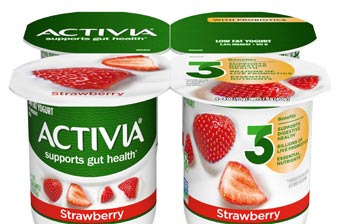
To activate gut beneficial bacteria, it is important to consume probiotics (the beneficial bacteria themselves) along with prebiotics (the food for beneficial bacteria).
In fact, it is known that about 90% of probiotics die while passing through strong digestive enzymes like stomach acid and bile. However, even dead probiotics (heat-killed) leave beneficial substances that contribute to the gut environment, and a small number of live bacteria can reach the intestines and multiply there.
To help probiotics arrive "alive" in the intestines, it is recommended to take them on an empty stomach. When there is no food in the stomach, less stomach acid is secreted, increasing the likelihood that live bacteria can pass through safely. Of course, it is fine not to take them on an empty stomach, but it helps to consume them when stomach acid is not actively produced.
What are Gut Beneficial Bacteria?
Our intestines, especially the large intestine, are home to countless bacteria. Among them, beneficial bacteria are the 'good workers' that aid digestion, boost immunity, and control harmful bacteria. These are the very friends referred to as 'probiotics' in yogurt advertisements! The benefits of having more beneficial bacteria in our bodies include improved immunity, reduced risk of infection, and enhanced digestive and metabolic functions. In fact, humans can survive on just water, vitamins, proteins, carbohydrates, fats, minerals, and fiber, but since the world is filled with bacteria and our bodies are also a habitat for them, we cannot ignore bacteria.
Three Representative Beneficial Bacteria
Lactobacillus ("Digestion Fairy")
What it does: Found abundantly in dairy products! It makes the intestines acidic, preventing harmful bacteria from thriving.
Feature: "When your stomach is upset," a glass of yogurt? Thanks to this friend.
Bifidobacterium ("Immunity Warrior")
What it does: Breaks down dietary fiber in the large intestine to prevent constipation and activates immune cells.
Feature: 90% of baby intestines are made up of this bacteria, truly a cute (?) presence!
Saccharomyces boulardii ("Antibiotic Hair Salon")
What it does: A yeast essential when taking antibiotics! It helps prevent diarrhea.
Feature: The name is difficult, but its role as an 'emergency rescue team' is certain.
What Beneficial Bacteria Do for Us
Resolve digestive troubles: They help break down complex foods and even produce vitamins.
Upgrade immunity: The intestines are an 'immunity fortress'! Beneficial bacteria train to fight pathogens.
Calm the mind: The gut and brain are connected. There are studies showing that beneficial bacteria can reduce feelings of depression!
Below are scientifically verified foods!
Yogurt
Why is it good?
It is rich in live Lactobacillus and Bifidobacterium, among other beneficial bacteria.Tip: Choose products labeled "contains live bacteria." Yogurts high in sugar can actually increase harmful bacteria.
Recommendation: Consume 1 cup (150g) after breakfast or as a snack!
Kimchi
Why is it good?
The lactic acid bacteria produced during fermentation help gut health, and it is also rich in dietary fiber, serving as a prebiotic.Tip: Fresh kimchi must be eaten to ensure live bacteria are present. Be cautious with old kimchi as it has high salt content!
Garlic
Why is it good?
It is a representative of prebiotics! Inulin serves as food for beneficial bacteria, promoting their growth.Tip: Chop raw garlic and expose it to air for about 10 minutes before eating to enhance its antioxidant effects!
Recommendation: Combine it with soybean paste stew or grilled meat, or marinate it in olive oil.
Whole Grains
Why is it good?
Soluble dietary fiber serves as an energy source for beneficial bacteria in the intestines. It is also excellent for preventing constipation!Tip: Use brown rice or oat rice instead of white rice, or try oatmeal for breakfast.
Recommendation: Aim to consume more than 30g per day (about 1/2 cup).
Doenjang (Fermented Soybean Paste)
Why is it good?
The fermentation bacteria in doenjang improve the intestinal environment, and the protein-decomposing enzymes aid digestion.Tip: Heating kills beneficial bacteria, so add doenjang at the end when making doenjang stew.
Recommendation: Easily consume with a bowl of doenjang soup daily!
In the future, how about paying more attention to gut health and changing small habits in your daily life one by one?






 neroyo |
 nivex85 |
 Old English |
 nixxon |
 LIZ Legal Information Blog |
 conte |
 Then you must be spring |

 Northeastern |
 fantastic |
  Tora Tora |
  yellowbutter |
  Dolly |
  US Embassy |
  NYC saladbar |
  Finding Superfoods |
  lightyear |
  song bang |
  vexomo |
  Indiana Jones |
  meloncat |
  novapixel |
  mortrix |
  Esther 1983 |
  fortbliss |
  Moscow Kim |
  My Two Way |
  toastyfox |
  FLORIDA Acus |
  tracker |