
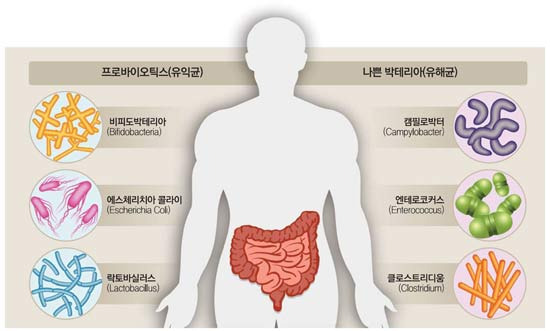
Recently, as interest in health has increased, the term 'beneficial gut bacteria' has become more common.
Let's talk about what beneficial gut bacteria are and why they are important.
First, beneficial gut bacteria refer to the bacteria that reside in our intestines and have a positive effect on our bodies.
They are often known by the term 'probiotics', and these beneficial bacteria play various roles such as enhancing immune function and improving digestion.
The Role of Beneficial Gut Bacteria
Assisting Digestion and Absorption
Beneficial gut bacteria help produce digestive enzymes and break down food that we have difficulty digesting (such as fiber). By efficiently extracting nutrients from food, they ultimately increase energy utilization, right?
Strengthening Immunity
Our intestines are densely populated with immune cells, so gut health is closely related to the overall immune system. Beneficial bacteria prevent pathogenic bacteria and viruses from thriving and strengthen the intestinal mucosa, thereby enhancing our body's resistance to external invasions.
Inhibiting Harmful Bacteria
Beneficial bacteria occupy a large space in the gut and prevent harmful bacteria from over-reproducing. When harmful bacteria become excessive, symptoms of digestive discomfort, such as bloating, may occur, and immunity can decrease. At this time, beneficial bacteria play a crucial role in maintaining balance.
What Foods Help Beneficial Bacteria?
Fermented Foods
Foods like kimchi, doenjang, cheonggukjang, and yogurt are rich in beneficial bacteria, including lactic acid bacteria. Not only do we directly consume good bacteria, but they also create an environment where beneficial bacteria can thrive in the gut.
Prebiotics (such as dietary fiber)
The food that beneficial gut bacteria eat and grow on is prebiotics, like dietary fiber. They are abundant in vegetables, fruits, and whole grains, so it is good to include them evenly in your daily diet.
Lifestyle Habits to Increase Beneficial Bacteria
When day and night are reversed or when sleep is insufficient, the body's rhythm can be disrupted, easily leading to an imbalance in gut bacteria. It is important to maintain a stable lifestyle pattern with sufficient sleep.
Light aerobic exercise or regular walking can also promote gut movement and improve immune function. Excessive exercise can increase stress hormones, so moderation and consistency are key.
Stress can make gut function sensitive and may reduce the proportion of beneficial bacteria. Make it a habit to engage in hobbies, meditation, and sufficient rest to relieve stress.
Ultimately, to cultivate beneficial gut bacteria well, it is most effective to build a diet rich in fermented foods and dietary fiber and to consistently maintain good lifestyle habits. Beneficial bacteria create a healthy gut environment and positively impact overall health. Each small habit will come together to gift you with great health!








 Weekend Movie Blog |
 Beauty, Health, Lifestyle Blog |
 coloradoman |
 Superman Cat Blog |
 Sunny's Travel in America |
  road98 |
  Churros Train Conductor |
  gleeful |
  Burbank Lee |
  Olivia's Blog |
  Bushing Around Life |
  Active |
  Cherokee Rose |
  Kor. Master |
  Holey Moley |
  Conflite Teacher |
  Hodong Prince Over Flex |
  Mist inn |
  citrus pop |
  Onion Ring |
  phoenixia |
  viewtop |
  loverun |
  Kim Do Sun |
  SEVEN SEVEN |