
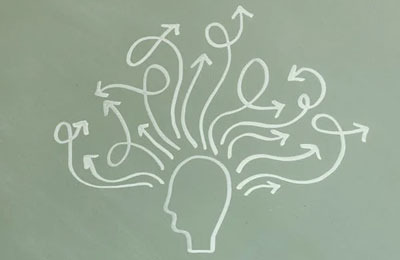
Dopamine is an important substance that plays various roles in the brain's reward, motor coordination, emotional regulation, and endocrine functions.
Dopamine is one of the neurotransmitters that transmits signals between nerve cells in the brain and coordinates various physical and mental functions. It also acts as a precursor to adrenaline and noradrenaline, functioning as an excitatory neurotransmitter that enhances mood, hence it is often referred to as the 'happiness hormone'.
Excess or deficiency of dopamine can lead to mental and physical disorders, and genetic factors and external stressors can affect the dopamine system. Proper treatment and management are essential to prevent and alleviate diseases caused by dopamine imbalance.
Dopamine receptors are proteins that play a crucial role in the interaction of dopamine with nerve cells in our brain.
These receptors are broadly divided into two groups, each with slightly different functions.
D1-like receptors:
Composition: D1 and D5 receptors belong to this group.
Function: When these receptors bind with dopamine, they promote the production of a signaling molecule called cAMP within the cell. This acts to increase the activity of nerve cells.
Location: They are primarily found in the cerebral cortex, striatum, and limbic system.
D2-like receptors:
Composition: D2, D3, and D4 receptors are included in this group.
Function: When these receptors bind with dopamine, they inhibit the production of cAMP, acting to decrease the activity of nerve cells.
Location: They are distributed across various brain regions such as the striatum, hypothalamus, and limbic system, and can exist both pre- and post-synaptically.
These receptors play a key role in regulating the effects of dopamine on our movement, emotions, motivation, and reward systems. For example, activation of D1-like receptors increases the excitability of nerve cells, promoting activity, while activation of D2-like receptors inhibits nerve cell activity, preventing excessive excitation.
Dysfunction of dopamine receptors can be associated with various neuropsychiatric disorders. For instance, Parkinson's disease occurs due to the loss of dopamine-producing nerve cells, which is primarily related to D2 receptors. Additionally, mental disorders such as schizophrenia may be associated with excessive activation of D2 receptors.
Therefore, balanced function of dopamine receptors is crucial for our nervous system health, and understanding this is helpful in the treatment and prevention of various neuropsychiatric disorders.








 Tora Tora |
 neroyo |
 nivex85 |
 Old English |
 nixxon |
 newyorker 101 |
 Things to Do to Buy a House |
 U.S. Weather Bureau News |
 International Court |
 Lunch and Dinner Mexican Taco |
  laro90 |
  MEDBIO American Doctor Blog |
  SWAT TEAM BLK |
  DREAM BIG |
  frostbite |
  330 Forever My Love |
  El Dorado |
  dralix58 |
  Gorama Round |
  Skydiving |
  dreamport |
  Yellow Snowman |
  Toaster Pizza Magic Show |
  velvetnom |
  Anytime Journey |
  Mrs. Duluth |
  jaxter |
  Atlanta Mama |
  Baguette Blog |
  Tan Sol |