
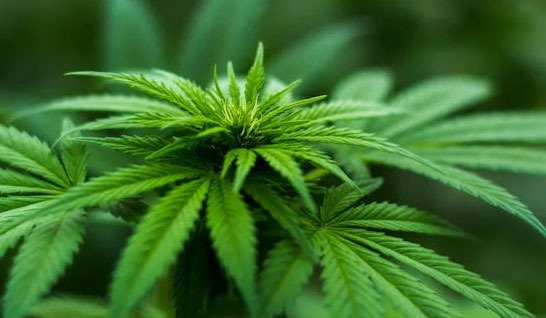
In Texas, the use and possession of recreational marijuana is illegal.
Punishment Criteria:
- Possession of 2 ounces or less: This is a Class B misdemeanor, punishable by up to 180 days in jail and a $2,000 fine.
- Possession of 4 ounces: This is a Class A misdemeanor, punishable by up to 1 year in jail and a $4,000 fine.
- Possession of more than 4 ounces: This is considered a felony and can result in severe penalties.
Medical Marijuana
In Texas, limited forms of medical marijuana use are allowed for patients with certain medical conditions.
Allowed Conditions:
- Qualifying Conditions: Medical marijuana use is permitted only for specific conditions such as cancer, Parkinson's disease, and autism.
- THC Content Limit: The THC (tetrahydrocannabinol) content of medical marijuana products is limited to a maximum of 1%.
1. Political Conservatism
- Texas has historically been a state with strong political conservatism. The conservative state government has heavily regulated the use of drugs, including marijuana.
- The Republican-led Texas legislature has shown relatively low support for marijuana legalization and prefers strong law enforcement against drug use.
2. Alignment with Federal Law
- Marijuana is still classified as a Schedule I drug at the federal level, considered a "substance with no medical use and a high potential for abuse."
- Texas is one of the states that comply with federal law, tending to avoid conflicts with the federal government.
3. Social Concerns
- The theory that marijuana use can lead to the abuse of other drugs, known as the "gateway drug" theory, is widely accepted in Texas.
- There are concerns that marijuana legalization could negatively impact youth and vulnerable populations.
4. Law Enforcement Priorities
- Texas prioritizes drug crime enforcement and public safety as major law enforcement tasks. Marijuana regulation is maintained as part of these priorities.
- The intention is to suppress drug use through strict regulations on marijuana use and possession.
5. Cultural Conservatism
- Texas has a traditional cultural foundation, such as Christian values, and tends to have a negative attitude towards drug use.
- There is still a strong perception in some communities that marijuana use is morally and ethically unacceptable.
6. Medical and Scientific Debate
- The debate over the medical effects and safety of marijuana continues. Texas maintains strict regulations, limiting even medical marijuana's THC content to 1%.
- Some conservative politicians and citizens place greater emphasis on the risk of abuse than on the medical efficacy of marijuana.
7. Economic Reasons
- While marijuana legalization could secure tax revenue and industrial development potential, conservative states tend to believe that social costs (e.g., health issues, public safety issues) outweigh the benefits.
- Additionally, the existing strong drug regulation system relies on law enforcement and the judicial system.







 Helpful Life Stories |
 American Man in a Mask |
 Make My Day |
 Texas Migration Story |
 USA Pharmacy Pharmacist |
  road98 |
  Churros Train Conductor |
  gleeful |
  Burbank Lee |
  Olivia's Blog |
  Bushing Around Life |
  Active |
  Cherokee Rose |
  Kor. Master |
  Holey Moley |
  Conflite Teacher |
  Hodong Prince Over Flex |
  Mist inn |
  citrus pop |
  Onion Ring |
  phoenixia |
  viewtop |
  loverun |
  Kim Do Sun |
  SEVEN SEVEN |