

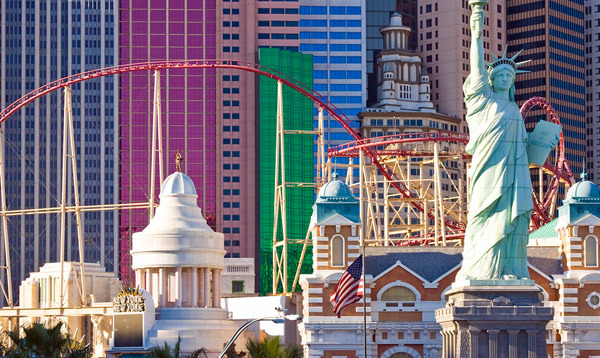
These days, the atmosphere in Las Vegas is not like it used to be. There are tourists on the streets, but it definitely does not feel as vibrant as before. The number of tourists has been continuously decreasing this year, with a total drop of about 7% in the first half of the year. The problem is that this figure does not seem to be a simple temporary decline.
If this trend continues until the end of the year, it is likely to be the largest decrease in the past 50 years.
Experts do not simply explain this phenomenon as a 'recession.' They analyze that a combination of overall economic slowdown in the U.S., a decrease in foreign tourists, and changes in travel habits among younger generations are at play.
Although international travel seemed to recover after the pandemic, the actual number of foreign tourists coming from Europe or Asia has not returned to previous levels. In particular, the decline in short-distance travelers from nearby countries like Canada and Mexico has had a significant impact.
Moreover, the changing consumption patterns of the baby boomer generation, which was the main customer base for Las Vegas, are also cited as a reason. Instead of staying for several days to enjoy casinos and shows like in the past, nowadays, many travelers prefer shorter trips with budget-saving measures.
Additionally, inflation across the economy has significantly increased travel costs. With rising prices for airfare, accommodation, food, and show tickets, many people are turning to other cities or overseas instead of Las Vegas.
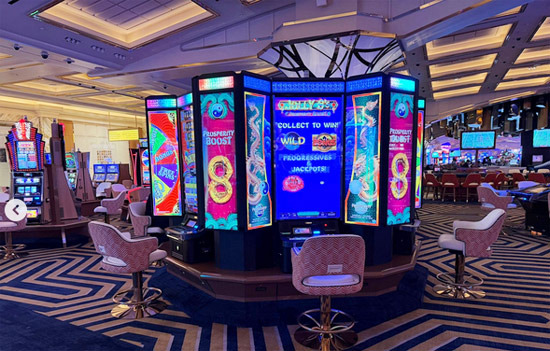
In fact, as of June, hotel occupancy rates and revenue per available room (RevPAR) have also shown a downward trend.
The tourism industry is like the heart of Las Vegas's economy, so these changes directly affect local jobs and business revenues. Currently, Las Vegas's unemployment rate is higher than the national average, especially in the hotel, entertainment, and food service sectors, which are experiencing direct impacts.
The resort industry, which had temporarily shown signs of recovery during the pandemic, now appears to be on edge again. Despite this trend, the city government and the industry are seeking new breakthroughs. Efforts are ongoing to attract large concerts, international conferences, and expand sports events to boost tourism demand again.
For example, recently, major events like Formula 1 (F1) races and the Super Bowl have created temporary booms in Las Vegas. However, many point out that the effects of such events are short-term. For Las Vegas to truly recover, there is a growing call for a transition to an economic structure that does not solely rely on tourism.
In fact, Nevada is promoting industrial diversification by attracting technology startups, logistics, and healthcare industries. While the average wages in the city are gradually rising, the service-oriented structure remains vulnerable to economic fluctuations.
Ultimately, this recession is not just a matter of 'fewer tourists,' but rather a manifestation of the structural instability inherent in Las Vegas's economy. The city, once known as a tourist destination, has now reached a point where it must move to the 'next stage.'
Of course, just as this city has survived numerous crises in the past, there is ample potential for a rebound this time as well, but that recovery must be built on a more diverse and sustainable industrial foundation rather than the flashy shows or casino profits of the past.
I believe that the current stagnation is both a crisis and a signal of impending change.





 neroyo |
 Folding Instructions |
 Say IT Now |
 celion78 |
 US Legal Consultation on Trials |
  road98 |
  Churros Train Conductor |
  gleeful |
  Burbank Lee |
  Olivia's Blog |
  Bushing Around Life |
  Active |
  Cherokee Rose |
  Kor. Master |
  Holey Moley |
  Conflite Teacher |
  Hodong Prince Over Flex |
  Mist inn |
  citrus pop |
  Onion Ring |
  phoenixia |
  viewtop |
  loverun |
  Kim Do Sun |
  SEVEN SEVEN |