
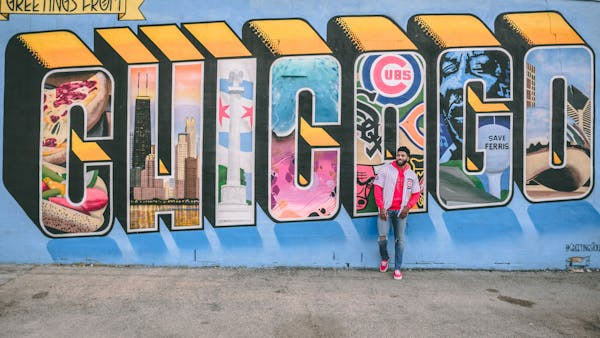
Chicago is the largest city in Illinois, located in the Midwest of the United States, and is a globally significant center for economy, culture, and transportation. Chicago symbolizes the identity and development of America through its unique history and dynamic present.
The History of Chicago
- The Chicago area was originally land inhabited by Native Americans, including the Pottawatomie tribe.
- In 1673, French explorers Jacques Marquette and Louis Jolliet were the first Europeans to explore the area.
- In 1833, Chicago was officially established as a town with a population of about 200.
Rapid Growth
- 1837: Chicago was incorporated as a city.
- Canals and Railroads: The construction of canals and railroads connecting Lake Michigan and the Mississippi River played a crucial role in Chicago's economic growth.
- Grain and Meat Industry: By the late 19th century, Chicago became famous for its grain elevators and slaughterhouses, establishing itself as a center of American agriculture and the food industry.
The Great Fire and Reconstruction (1871)
- The Great Fire: The Chicago Fire of 1871 destroyed much of the city, but it became a starting point for modern architecture and urban planning.
- Reconstruction: High-rise buildings were constructed using fire-resistant steel and stone, laying the groundwork for modern skyscrapers.
Changes in the 20th Century
- World's Fair: In 1893, the World's Columbian Exposition was held, marking Chicago's leap to an international city.
- Industrialization: In the early 20th century, various industries such as automobile manufacturing, steel, and machinery developed, making it a labor hub.
- Immigration: Immigrants from European countries like Germany, Ireland, Italy, and Poland, along with African Americans, contributed to its growth as a multicultural city.
Present-Day Chicago
1) Economy and Industry
- Financial and Economic Hub: Chicago is a key city in the U.S. economy, following New York and LA, and is home to the world's largest futures exchange, the Chicago Mercantile Exchange (CME).
- Diverse Industries: Various industries coexist, including healthcare, IT, manufacturing, and logistics.
- Fortune 500 Companies: Global companies like Boeing, McDonald's, and United Airlines have their headquarters here.
2) Culture and Tourism
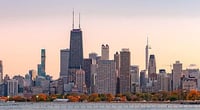
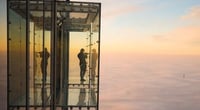
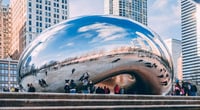
- Art and Architecture: Chicago is the birthplace of modern architecture, featuring iconic buildings like the Willis Tower and the John Hancock Center.
- Museums and Arts: World-class cultural institutions such as the Art Institute of Chicago and the Field Museum are located here.
- Sports: Sports teams like the Chicago Cubs and Chicago Bulls represent the city and are beloved by sports fans.
3) Education and Research
- Universities: Prestigious universities such as the University of Chicago and Northwestern University are located here.
- Research: It is a center for advanced research and medical technology development, recognized as one of the global innovation cities.
Population Changes in Chicago
1) Early Growth
- When the town was established in 1833, Chicago had about 200 residents, rapidly growing due to railroads and canals by the mid-19th century.
- 1850: Population 30,000
- 1900: Grew to about 1.7 million, becoming the second-largest city in the U.S.
2) Mid-20th Century
- Peak Population: In 1950, the population peaked at about 3.62 million.
- Afterward, population decline began due to suburbanization and changes in the urban economic structure caused by industrialization.
3) Modern Population
- As of 2023: Approximately 2.7 million
- It is the third-largest city in the U.S., accounting for about 22% of Illinois's total population.
- It features a diverse racial composition, with whites (45%), African Americans (30%), Hispanics (29%), and Asians (6%).
- Increase in Suburban Areas: Including the metropolitan area, about 9.5 million people reside, forming a metropolitan economic zone centered around Chicago.
Challenges and Future of Chicago
1) Challenges
- Economic Inequality: Some areas enjoy high income and prosperity, while others face severe poverty and unemployment issues.
- Crime: Gun violence and crime rates remain one of the city's major problems.
- Infrastructure: Improvements to aging transportation and housing infrastructure are needed.
2) Future and Potential
- Technology-Centric City: It is pursuing sustainability centered around smart cities and green energy.
- Tourism: About 58 million tourists visit Chicago each year, significantly contributing to the local economy.
- Global City: Based on its diverse races and cultures, Chicago will continue to grow as an important city leading the future of America.



 Khan Film Blog Production |
 Illinois Mom |
 Rice Shop Uncle BLOG |
 Enjoyable American Life Diary |
 allstar realty |
  DREAM BIG |
  frostbite |
  330 Forever My Love |
  El Dorado |
  dralix58 |
  Gorama Round |
  Skydiving |
  dreamport |
  Yellow Snowman |
  Toaster Pizza Magic Show |
  velvetnom |
  Anytime Journey |
  Mrs. Duluth |
  jaxter |
  Atlanta Mama |
  Baguette Blog |
  Tan Sol |
  US Embassy |
  Korean Mom |
  My NYC |