

I am currently running a business in LA and Phoenix.
In the mid-1980s, when Korean immigrants began to settle in the western United States, I was still a student, but I vividly remember the atmosphere of that time.
Back then, both Korean and Mexican immigrants were busy striving for survival. Although we couldn't speak English well and lacked understanding of American society, one thing was clear: the belief that "hard work opens doors."
At that time, Koreans and Mexican immigrants worked together in the LA downtown garment market, sewing, washing dishes in small restaurant kitchens, and organizing goods in wholesale and retail stores. As first-generation immigrants, our cultures were different, but a sense of solidarity naturally arose from our shared realities of 'hard labor,' 'unstable status,' and 'low wages.' Even without a common language, the image of us quietly working hard together still lingers in my mind.
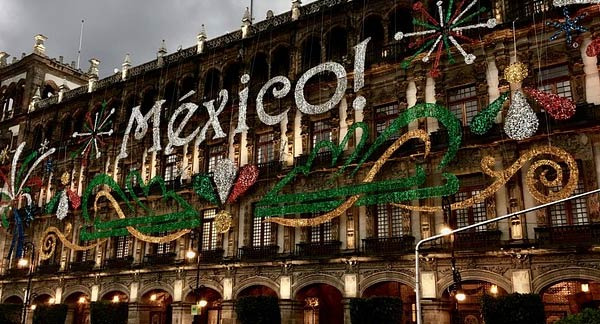
Especially in Phoenix, where I migrated over 20 years ago, the Mexican community was established early on, and Koreans have also found their place within it.
For example, a Korean business owner I know has worked with a Mexican employee for over 30 years, and that employee's child is now growing their family restaurant into a franchise after graduating from college. While I admired that, I also felt a bit of jealousy. While we are still maintaining liquor stores and dry cleaning businesses, they are quickly understanding the American consumer market and entering cultural businesses.
Now, Mexican immigrants are shedding the image of 'low-wage workers' and confidently asserting their identity as they expand their presence in the American market. From food to music, clothing, and festivals—what was once merely consumed as 'exotic spectacles' is now being reborn as proud brands.
Especially the younger generation is adept at social media marketing and content branding with a Latin flair, naturally integrating their culture into American consumer trends. Seeing this, I can definitely feel that the world has changed.
Koreans are also attempting to change. Particularly among the second generation and beyond, some are trying various initiatives centered around food and K-pop to promote Korean culture.
However, it is still lacking. Opening a few Korean restaurants or promoting that "Korean chicken is delicious" is not enough to have an impact in the vast American market.
The start of cultural evangelism is good, but it is unfortunate that we are too reliant on food. What is truly important is the economic infrastructure.
We need to enter systems like real estate, healthcare, and automotive dealerships.
To truly exert influence, we must enter industries that can deeply penetrate the daily lives of American consumers.
For example, Hispanics are now entering real estate agencies, hospital administration, vehicle sales, and even banking. The businesses within their community are not aimed at a 'small market' but are looking to operate in the 'entire American market.'
We are still focused on small businesses and putting more energy into protecting our assets. While that is important, the next generation must not just maintain stores but create systems.
As a Korean immigrant, I find myself deep in thought as I observe Mexican immigrants increasingly establishing their presence in mainstream American society.
We too must now move to the next stage. It is not about competing. It is time to recognize each other's strengths and become partners who can cooperate.
America is ultimately a country of immigrants.
Rather than who succeeded first, the real challenge of this era is finding out how we can survive and move forward together.
I feel that we need to realign our direction now so that our next generation can create that answer.





 US Embassy |
 fortbliss |
 Folding Instructions |
 yentra |
 Cali M Law Group |
 Kitchen Ideas |
 Toaster Pizza Magic Show |


 The Long Shot |
  Korean Mom |
  My NYC |
  moo moo |
  Mr Oh |
  forevergee |
  festival |
  manchester |
  constant |
  Leapfrog Move |
  vibranto |
  Tora Tora |
  yellowbutter |
  Dolly |
  NYC saladbar |
  Finding Superfoods |
  lightyear |
  song bang |
  vexomo |
  Indiana Jones |