


Philadelphia is strongly associated with the history of American independence, but recent evaluations suggest that the real driving force behind the city's economy is the education and healthcare industries centered around universities and hospitals. The geographical advantage of being located between New York and Washington, D.C. is still considered a valid strength.
While the population of the city itself has shown a slight decline or stagnation in recent years, the broader metropolitan area is experiencing a gradual increase. The ongoing movement to suburban areas outside the city is cited as a background for this trend. However, there are concerns about talent drain to nearby major cities like New York and Boston.
The core of Philadelphia's economy lies in large universities such as the University of Pennsylvania and Drexel University, along with their associated hospital systems. The presence of Comcast's headquarters and the recently expanding life sciences startup cluster contribute to maintaining a base of high-quality jobs. As a port city, it also plays a significant role in logistics and pharmaceutical distribution, with recent examples of new research facilities being established by biotech companies focused on cell and gene therapy.
The unemployment rate in the Philadelphia metropolitan area is known to hover around the low to mid-4% range, similar to or slightly higher than the national average. Income growth is moderate, and the income gap between the city and suburbs remains significant. Notably, Philadelphia has consistently been pointed out as having a relatively high poverty rate among major cities.
In terms of infrastructure, a large-scale redevelopment project around 30th Street Station is being pursued with a budget of billions of dollars, and improvements to Amtrak and SEPTA lines are also under discussion. These investments appear aimed at enhancing the long-term competitiveness of the downtown commercial district. New laboratory space development for expanding life sciences research facilities is also underway in several locations.
Regarding Philadelphia's growth potential, there are positive views on the stability of the university and hospital-based economy, alongside cautious perspectives noting unresolved issues with urban safety and office vacancy rates. While the market is considered relatively undervalued compared to New York or Boston, the pace of recovery may vary significantly by region. Some institutions even assess Philadelphia as an emerging hub in the life sciences sector.
For Korean households, it is worth noting the steady demand in suburban areas like Cherry Hill and King of Prussia compared to the city center. While the redevelopment areas in the city hold long-term growth potential, there is also a need to prepare for short-term market fluctuations. Areas near universities tend to have stable rental demand, making them attractive for investment considerations.
Ultimately, Philadelphia's competitiveness in ten years will likely depend on how well it connects its existing assets in universities and hospitals to new industries. If the life sciences cluster expands as expected, steady but gradual growth may continue; otherwise, stagnation could persist, presenting two scenarios to consider.
 TicDoctor
 SweetDream






 garlic bread |
 Sugar Cream Door Bulletproof Noodles |
 urbanmint |
 |
| 
 Premium Gas Camp |
 Northeastern |
 Nationally Certified Lightning Charcoal Review |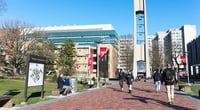
 American Grape Shine Muscat |
 U.S. Weather Bureau News |
 DelphiaMo |
  draxen |
  gallery |
  milkyotter |
  Zoom Zoom Zoom |
  Minnesota Lakes and Clouds |
  noraro |
  tervox95 |
  vale vale |
  yentra |
  Golden life |
  andrew park |
  Peter Pan Pet |
  Balan |
  Cali M Law Group |
  neroyo |
  Dreams Come True as Desired |
  Khan Film Blog Production |
  coloradoman |
  Living Economy Information Blog |
  rustley |