

Living in Atlanta, I go to Marietta, which is a 20-minute drive, about once or twice a month to deliver medicine to my aunt.
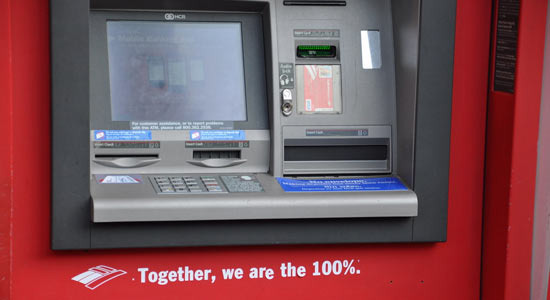
One day, I received an email from the bank asking if I had withdrawn $800 from an ATM in Marietta, which I had not visited. I felt a chill and immediately opened the bank app to check my transaction history. It turned out that someone had successfully withdrawn $800 from an ATM and then attempted to withdraw another $800 from a different ATM, but fortunately, the bank had automatically blocked the second withdrawal as suspicious.
This means someone had stolen my card information and was trying to withdraw $800 multiple times while roaming around the Marietta area. Thankfully, the bank contacted me first via email, and I immediately reported through the app that I was not the one who withdrew the money. In such situations, the quicker you respond, the less damage you incur.
The next question is, what happens to the $800 that someone already withdrew?
Typically, when such ATM incidents occur, the bank temporarily refunds the money within a few days. Usually, the money comes back within 5 to 10 days, but this is provisional while they investigate. The bank checks when, where, and how the money was withdrawn during this time.
Legally, the investigation can take up to 45 days, but in simple cases like this, it usually concludes before that. If the money was withdrawn in a location completely different from where you live, there were consecutive withdrawal attempts, and you reported it immediately, a refund is almost guaranteed without issues.
So why do such incidents happen? The most common reason is a device called a skimmer.
This is a machine secretly attached to the card slot of the ATM. When you insert your card, it copies your card information and steals your PIN through a hidden pinhole camera or fake keypad. To the naked eye, it looks almost identical to a regular ATM, making it hard to distinguish if you are not careful. Therefore, if the card slot feels loose or looks oddly protruding, it's best not to use that machine.
When entering your PIN, it's advisable to cover the keypad with one hand since the pinhole camera records your PIN. Although it may seem trivial, this habit can significantly reduce risk. However, if there is a fake keypad overlay, covering it won't help. Still, it's recommended to always cover the keypad with one hand when using a major bank's ATM.
This is why it's safest to use only ATMs from large banks whenever possible. ATMs from banks like BOFA or Chase are regularly maintained and take immediate action if something seems off. ATMs located in convenience stores or those standing alone on the street often have lax management and much higher fees. If cash is not urgently needed, it's best to avoid using them altogether.
Lastly, it's a good idea to set up alerts for when money is withdrawn from your ATM. If you receive a notification that money has been withdrawn, you can freeze your card within minutes. The second withdrawal was blocked thanks to such a system. Anyone can experience this situation at least once, so it's important not to panic and respond immediately if it occurs.
And from now on, develop a habit of being a bit more cautious. Just taking a moment to look around the ATM and covering the keypad when entering your PIN can be very helpful. People who have had this experience tend to change their habits, and I too will now make it a point to cover my hand without fail.







 fortbliss |
 Folding Instructions |
 yentra |
 Cali M Law Group |
 quanta7 |
 Lululala |
 Gook Rule |
 Georgia 88 |
 Dragon Lee |
 Blondee |
  Korean Mom |
  My NYC |
  moo moo |
  Mr Oh |
  forevergee |
  festival |
  manchester |
  constant |
  Leapfrog Move |
  vibranto |
  Tora Tora |
  yellowbutter |
  Dolly |
  US Embassy |
  NYC saladbar |
  Finding Superfoods |
  lightyear |
  song bang |
  vexomo |
  Indiana Jones |