

As a physician in Atlanta, I often encounter patients with unfortunate stories due to the nature of my profession.
A few days ago, a 63-year-old Korean man, Mr. A, was one such case. He belonged to a high-risk group for hypertension and had been experiencing blood pressure readings over 160 for several months. I prescribed medication, but he would skip doses, saying, "It makes me feel bloated." When I suggested exercise, he shrugged it off, claiming that playing golf occasionally on weekends was enough. When I talked about the risks of abdominal fat, he joked, "I can't enjoy my meal without meat."
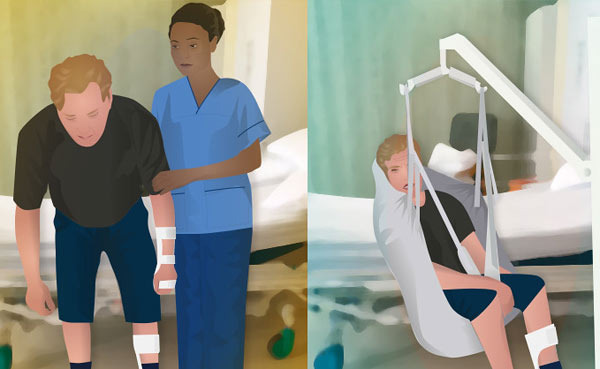
Then, he suddenly collapsed and lost consciousness, being rushed to the emergency room. The CT results showed a stroke. A blocked blood vessel was suffocating his brain. It was around the golden hour, and we urgently administered a thrombolytic agent, barely saving his life, but he was transferred to a rehabilitation hospital as he couldn't move his right limbs. I still vividly remember his sigh as he looked at me from the bed, saying, "If only I had taken my medication every day..."
Most people think of strokes as a sudden disaster. However, in reality, a stroke is the result of long-term lifestyle habits and neglect, a report card given to oneself.
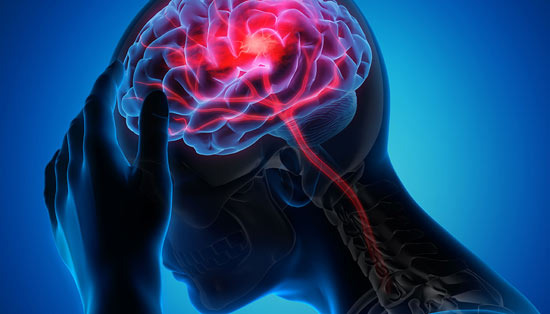
Medically, strokes can be categorized into two main types. Ischemic strokes, caused by blocked blood vessels, account for about 80% of all cases, while hemorrhagic strokes, caused by ruptured vessels, make up just over 20%. Whether blocked or ruptured, damage to brain cells progresses rapidly the moment they lose oxygen supply. Those few minutes or hours can determine the quality of life for a lifetime.
The Korean community is particularly vulnerable due to our habits and temperament.
We can't stand food without salt and spice, we tend to endure stress rather than relieve it, and we often postpone hospital visits with the attitude of "I'm still okay."
Research has shown that East Asians have thinner cerebral blood vessels than Westerners, making them more susceptible to blockages or ruptures under the same conditions.
A 43-year-old Korean woman, Ms. B, a mother of two, is a good example. She came in complaining of persistent headaches, only taking painkillers, but an MRI revealed a small aneurysm that was ballooning. A few days later, that balloon burst, and seeing her sitting in a wheelchair, searching for her young children's hands while having lost vision in one eye, weighs heavily on my heart as a healthcare professional.
In fact, preventing strokes is not that complicated.
Maintain blood pressure below 130/80, regularly check for diabetes and cholesterol, quit smoking, reduce alcohol intake, and walk for at least 30 minutes a day until you break a light sweat. Surprisingly, these simple habits are the most powerful methods to prevent both ischemic and hemorrhagic strokes.
However, many people turn away, saying, "I'm too busy with work," or "I can't afford the hospital bills." But the costs of hospital care after a collapse and the burden on families are beyond imagination. The few hundred dollars hesitated over for a health check can turn into tens of thousands or even hundreds of thousands of dollars in suffering later. A hemorrhagic stroke that results in death cannot be replaced even with millions of dollars.
Some people say, "Everyone ages and dies eventually."
That's true. No one can live forever.
However, what makes strokes frightening is not the sudden death but the long-lasting aftereffects. If limbs move against your will, and you need others to assist with basic bodily functions while being conscious, or if you live the rest of your life with a foggy memory until you die, can that truly be called a 'natural old age'?
The hospital is not just a place to go when you're sick. It is also the most rational investment to protect your future self. If you are reading this and thinking, "I'm still young, so I'm fine," that moment might be the most dangerous one. Strokes do not discriminate by age. They can strike in your 30s, 40s, to tireless employees and busy parents. Prevention ultimately begins with breaking the excuse of being 'too busy' and making small daily commitments to take care of oneself.
Strokes are not mutations or natural disasters. They are the inevitable result of accumulated poor eating habits, drinking, smoking habits, and lifestyle choices that lead to hypertension.
If you understand that reality and act a little earlier, your later years can be much longer and freer than you think. So after reading this, take a moment to check your blood pressure and schedule a long-overdue health check-up.
Health is not a gift. It is the result of daily care.
While going to the hospital when sick is important, living in a way that prevents illness is even more crucial.
Today, I continue to share this message at the hospital. I hope at least one more person understands that the moment you feel fine is often the most dangerous time.




 eatontown blog |
 Toaster Pizza Magic Show |
 US Embassy |
 fortbliss |
 Folding Instructions |
 Going Once |
 H Leader |
 Macon Boy |
 Garnishment |
 Tonky |
  viroma |
  cookie |
  Live and that's it |
  Alright Twain |
  HAWAII Korean Church News |
  Amore |
  linex |
  Balancework |
  laro90 |
  MEDBIO American Doctor Blog |
  SWAT TEAM BLK |
  DREAM BIG |
  frostbite |
  330 Forever My Love |
  El Dorado |
  dralix58 |
  Gorama Round |
  Skydiving |