

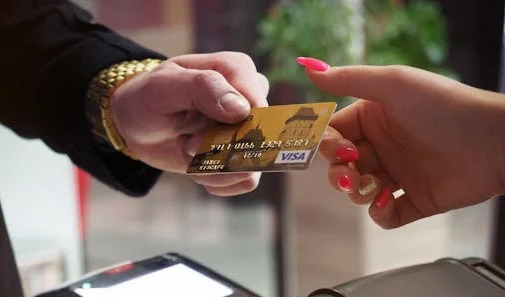
However, the problem is that this convenience can easily tempt us. When the bill arrives, haven't we all been surprised at how much we've spent?
First, there's the trap of overspending. When using a card, you don't feel the money leaving your wallet. Just a moment of "let's swipe it once," and while your bank account remains the same, debt is accumulating. Especially with points or rewards, many end up spending unnecessarily thinking, "This is a benefit, so it's okay." Even small amounts can pile up, leading to a snowballing credit card bill.
Second, there are high interest rates. From the card issuer's perspective, they hope we don't pay off the full amount on time. That's how they make money from interest. On average, the APR (annual percentage rate) for credit cards is around 20%. If you think, "This month is tight, so I'll just pay the minimum," you might find your debt doubling before you know it. What's really scary is that once interest starts accruing, you'll struggle to pay off the interest rather than the principal.
Third, there's the risk to your credit score. If you don't pay your card bills on time or max out your credit limit, your credit score will drop. A low credit score can negatively affect loans, housing contracts when moving, and even job applications in some companies. Remember, a "good credit card user" is someone who pays off their debts well.
Fourth, there are various fee traps. Card companies are geniuses at taking our money without us knowing. There are numerous costs disguised under different names, such as annual fees, foreign transaction fees, and cash advance fees. Especially when traveling, if foreign exchange fees are added, you might be shocked when you see the statement later. It's really important to carefully check these fee items when choosing a card.
Fifth, there's the habit of dependency. Using credit cards is convenient at first, but you gradually become someone who feels uncomfortable without them. There will be months when you spend more than your salary, and then you might think, "I'll just use the card to cover this next month." If this cycle continues, you'll end up trapped in a debt spiral that's hard to escape.
And nowadays, a particularly serious issue is the risk of security and fraud. With the increase in online shopping, incidents of card information leaks have become more common. Methods of stealing card numbers through email phishing or fake payment sites are becoming increasingly sophisticated. Losing money is a problem, but the time and mental stress involved in resolving the issue is significant.
So how can we reduce these problems? The solution is surprisingly simple. Set a budget and stick to it. Decide on a limit for how much you'll spend on the card this month and make sure to adhere to it. Also, try to develop the habit of paying the full amount each month. If you only pay the minimum, you'll eventually fall into the interest trap. Managing your credit score is also important. Keeping your usage below 30% of your limit will help maintain a stable score. Finally, always make online payments only on official sites or those with a secure connection (https).
Credit cards can be very useful tools when used wisely. However, it's important not to forget that using them is not spending money but incurring debt. Perhaps the real skill in using a card is not how much you swipe, but when you stop. Ultimately, credit cards seem to hide small traps behind their convenience.







 Make My Day |
 viroma |
 eatontown blog |
 Toaster Pizza Magic Show |
 US Embassy |
 garlic bread |
 Popular Song Exciting Song |
 Yo Lock Me Up |
 California Information News |
 road98 |
  Churros Train Conductor |
  gleeful |
  Burbank Lee |
  Olivia's Blog |
  Bushing Around Life |
  Active |
  Cherokee Rose |
  Kor. Master |
  Holey Moley |
  Conflite Teacher |
  Hodong Prince Over Flex |
  Mist inn |
  citrus pop |
  Onion Ring |
  phoenixia |
  viewtop |
  loverun |
  Kim Do Sun |
  SEVEN SEVEN |