

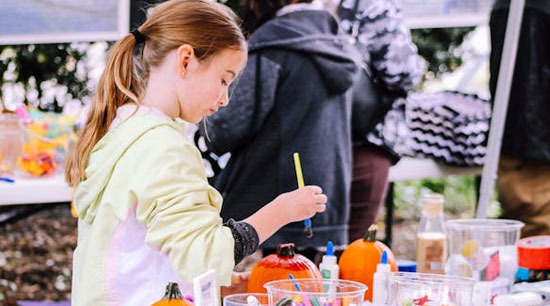
First of all, they provide a good education.
Private schools have a much more diverse and in-depth curriculum compared to public schools. You can take international programs like IB, Montessori, or STEM-focused classes. Nowadays, parents really care about these things.
Fewer students mean more attention from teachers.
With smaller class sizes, teachers can quickly identify what our children excel at and where they need improvement. Early education? Customized learning? These things happen naturally.
The environment feels safer.
There is a strong perception that you worry less about bullying, drugs, and violence. Schools also spend a lot on security.
Honestly, it's also about networking.
If you look at the families of the kids they hang out with, they are all well-off and socially successful. This network can be a big help later in life.
Religious education is also a significant reason.
Families interested in Catholicism, Protestantism, or Judaism want education that aligns with their values. It's not just about academic success; it's about raising them to be good people.
And this might be the biggest reason... to get into prestigious universities!
To get into Ivy League schools, you need to manage your child's profile well from elementary school. Prestigious private schools already have a clear roadmap for college. You just have to trust and follow it.
The costs of private schools in the western U.S. (California, Washington, Oregon, etc.) vary significantly based on the region, the school's reputation, grade level, and whether it is a boarding school.
Average Annual Tuition in the Western U.S. (as of 2025)
Elementary School (K-5)
-
General Private School: $15,000 ~ $30,000
-
Prestigious Private School: $30,000 ~ $45,000
Middle and High School (6-12)
-
General Private School: $20,000 ~ $40,000
-
Prestigious Private Schools (e.g., Harvard-Westlake, The Harker School): $45,000 ~ $60,000+
Ultimately, even if it costs a lot, these choices are made to get ahead of others. However, there are definitely downsides to private schools.
First and foremost, they are expensive.
-
Sending them from elementary school can be incredibly costly.
-
In addition to tuition, there are ongoing costs for donations, textbooks, extracurricular activities, and more.
-
-
There is a lack of social diversity.
-
Since it mainly consists of children from wealthy families, they may lack a sense of reality.
-
There are fewer opportunities to encounter diverse races, cultures, and economic backgrounds.
-
-
Academic stress can be high.
-
From a young age, they may be pressured to manage grades and build their profiles.
-
In competitive schools, children often struggle more than their parents.
-
-
They may develop values detached from general society.
-
They can become 'bubble' kids who are unaware of the real world.
-
Especially in schools centered around religion or specific ideologies, their perspective may narrow.
-
-
Sometimes they are recognized more for their background than their actual abilities.
-
There is a bias that follows them: "They came from a good school, so they must be good."
-
They often face disappointment when evaluated based on their actual skills in society.
-
When sending a child to a private school, you need to consider financial and environmental issues, but ultimately, it's important to make a decision based on the child's personality and future.
If you push them into competition from too young an age, they may miss out on true happiness.





 Magic Cabbage School of Martial Arts |
 Vacation on Hawaii |
 morvex37 |
 Ari Songhan American Immigration Life |
 Bearded Strawberry Smoothie |
 Bacon King Blog |
 Bald Eagle Brothers |
 Seattle - Emerald City |
 PETRO Vatican Shrine |
 Real Estate Agent USA |
  Anytime Journey |
  Mrs. Duluth |
  jaxter |
  Atlanta Mama |
  Baguette Blog |
  US Embassy |
  Korean Mom |
  My NYC |
  moo moo |
  Mr Oh |
  forevergee |
  festival |
  manchester |
  constant |
  Leapfrog Move |
  vibranto |
  Tora Tora |
  yellowbutter |
  Dolly |
  NYC saladbar |