

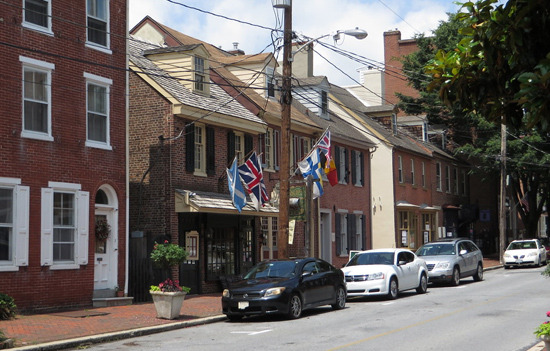
Delaware is considered a small but livable state.
It is the second smallest state among the 50 states in the U.S., but it has a well-balanced living condition and environment, earning it the nickname 'small but efficient state.' Located along the Atlantic coast, Delaware has many flat terrains and a long coastline, resulting in a generally humid and mild maritime climate.
Summers are hot but not extreme, and winters are milder compared to northern states. In spring and fall, the humidity is low and the weather is pleasant, making it common to see locals biking or walking along the coastal boardwalks.
The air is relatively clean, and green spaces are well-maintained throughout the state. The Delaware Department of Natural Resources actively encourages eco-friendly development, making solar panel installation and insulation systems common in new homes.
The real estate market in this state is small but stable. The average home price is around $380,000 to $420,000 as of 2025, which is much more reasonable compared to New Jersey or Maryland. Northern Delaware, especially the Wilmington area, is an economic hub with steady housing demand, and many people commute to Philadelphia or New York due to good transportation access.
In contrast, the southern region is much quieter, with places like Rehoboth Beach and Lewes, famous for their beach towns, being popular among retirees. Condos near the sea or beachfront single-family homes are a bit more expensive but are highly sought after as vacation residences.
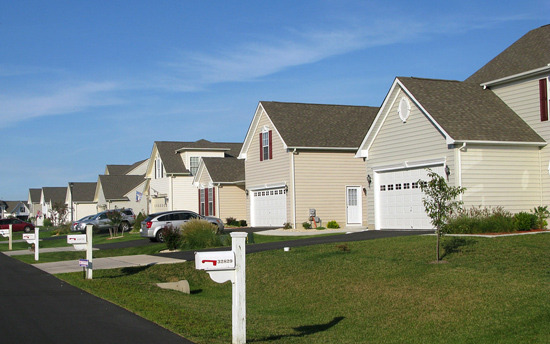
Another significant advantage of Delaware is its low property taxes. The property tax rate for homes is less than half the national average, with annual property taxes for a $400,000 home sometimes being just around $1,000.
Moreover, Delaware has no state sales tax, which lowers the cost of living and provides very attractive conditions for retirees and long-term residents. As a result, the middle class and senior generations moving in from Pennsylvania and New Jersey have been steadily increasing each year.
The urban atmosphere varies by region. Wilmington is a city centered on finance and business, with tall buildings and a dense office area, while Dover is a quiet city that serves as the administrative center and has military facilities. The southern coastal area has developed into a tourist industry and resort, with small cafes and boutiques lining the coastal roads during the summer.
Development is active, but environmental regulations are well in place, so indiscriminate high-rise developments are rare.
Delaware is also known as a 'green building state.' There are many LEED-certified buildings, and government agencies and businesses encourage energy-efficient designs. In rural areas, corn and soybean farming is still active, and these areas have well-preserved natural wetlands and forests. The Delaware Bay, which runs across the state, is also famous for being a migratory route for birds, making it a popular ecotourism destination.
Ultimately, Delaware's real estate can be summarized with three keywords: 'quiet environment, low taxes, and stable value.'
A place where you can feel both the convenience of the city and the leisure of the countryside, a place where you can enjoy a quality life without the high housing prices of the Northeast. Delaware may be small, but it is a solid choice for retirees in terms of quality of life and housing stability.







 viroma |
 eatontown blog |
 Toaster Pizza Magic Show |
 US Embassy |
 fortbliss |
 Doori Ark |

 Live and that's it |

 Min's blog |
  Tonky |
  cookie |
  Alright Twain |
  HAWAII Korean Church News |
  Amore |
  linex |
  Balancework |
  laro90 |
  MEDBIO American Doctor Blog |
  SWAT TEAM BLK |
  DREAM BIG |
  frostbite |
  330 Forever My Love |
  El Dorado |
  dralix58 |
  Gorama Round |
  Skydiving |