
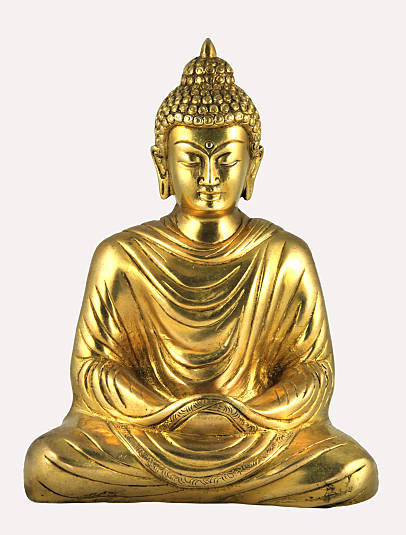
The teachings of Buddhism have profoundly influenced many people even today, after thousands of years. The teachings of the Buddha are not merely religious doctrines; they are guidelines that convey wisdom to understand life's suffering and to escape from it. By following the Buddha's teachings, we can find practical answers to how we can resolve the pain and conflicts we encounter in our daily lives.
Understanding the Suffering of Life (Four Noble Truths)
The Buddha explained the essence of human life through the four truths known as the "Four Noble Truths." The Four Noble Truths are the core teachings of Buddhism, guiding us on how to understand suffering and find a way to escape from it.
First Noble Truth: The Existence of Suffering (Dukkha, 苦諦)
The Buddha stated that all beings experience suffering. The suffering we encounter in life is not just physical pain or sadness, but also the suffering of birth, aging, sickness, and death, which accompanies every process of life. Psychological suffering is similar; humans face a constantly changing world and experience emotions such as anxiety, desire, and disappointment.Second Noble Truth: The Cause of Suffering (Samudaya, 集諦)
The fundamental cause of suffering is 'craving' and 'attachment.' We constantly pursue what we desire and become attached to what we want. This desire creates new cravings without allowing us to feel satisfaction, acting as a source of suffering. Additionally, the Buddha taught that our fear of change and attachment to permanence also create suffering.Third Noble Truth: The Cessation of Suffering (Nirodha, 滅諦)
The Buddha stated that suffering can indeed come to an end. By eliminating the causes of suffering, which are desire and attachment, we can escape from suffering. The important aspect of this process is to find true satisfaction within ourselves and to let go of attachment. The Buddha referred to this as 'Nirvana' and taught that it is possible to end suffering and attain complete peace and freedom.Fourth Noble Truth: The Path to the Cessation of Suffering (Magga, 道諦)
Finally, the Buddha explained the path to ending suffering. This path is known as the Eightfold Path. The Eightfold Path consists of eight right practices to alleviate suffering, including right view, intention, speech, action, livelihood, effort, mindfulness, and meditation. By practicing this path, we can reduce desire, purify our minds, and overcome suffering.
The Eightfold Path: The Practical Path to Ending Suffering
The Eightfold Path is a practical method presented in Buddhism that helps us to live with a right mind, act honestly, and live rightly. Each item of the Eightfold Path is as follows:
Right View (正見): Understanding the nature of the world and life correctly. It is about properly understanding the reasons for our suffering and how to escape from it.
Right Intention (正思惟): Living with the right intentions in our hearts. It is important to abandon negative thoughts such as greed, anger, and ignorance, and to cultivate good intentions and thoughts.
Right Speech (正語): Words reflect a person's heart. It is important to speak rightly, avoiding lies and abusive language, and to use words that bring joy and harmony to others.
Right Action (正業): Living rightly so that our actions do not harm others. We should live a life that harmonizes with those around us through morally right actions.
Right Livelihood (正命): Maintaining our profession or livelihood honestly. It is important to live in a way that does not deceive others or earn money through dishonest means.
Right Effort (正精進): Continuous effort to maintain a good mind and eliminate negative thoughts. It is necessary to consistently purify our minds and strive to improve our inner selves.
Right Mindfulness (正念): Focusing on the present moment and striving not to dwell excessively on the past or future. It is important to enhance concentration through meditation and mindfulness.
Right Concentration (正定): Practicing meditation to deeply focus the mind and find inner peace. The core of the Eightfold Path is to calm the mind through meditation and discover the true self.
The Buddha's teachings go beyond merely understanding and escaping suffering; they are a path to seeking freedom and peace of mind.
The Buddha taught that the reason we suffer is not due to external circumstances or events, but rather within our own minds.
In other words, the way to eliminate suffering is not to change the external world, but to change our minds.
By following the Buddha's teachings, we can purify our minds and walk the path of transcending the self. Only then can we truly overcome suffering and find genuine freedom and peace.
The Buddha's teachings are not just religious teachings; they are wisdom for life.
They provide practical methods for how to deal with the suffering, conflicts, and desires we encounter in our daily lives, and how to achieve peace of mind through them.
The Buddha's teachings are open to everyone and are a path we can practice and learn from ourselves.








 Doori Ark |
 Generation X |

 Min's blog |
  Live and that's it |
  forevergee |
  festival |
  manchester |
  constant |
  Leapfrog Move |
  vibranto |
  Tora Tora |
  yellowbutter |
  Dolly |
  US Embassy |
  NYC saladbar |
  Finding Superfoods |
  lightyear |
  song bang |
  vexomo |
  Indiana Jones |
  meloncat |
  novapixel |
  mortrix |
  Esther 1983 |