

Ghost in the Shell is a work that goes beyond simply being a cyberpunk genre animation, raising philosophical questions about the relationship between technology and humanity. This work explores how highly advanced technology can merge with human society.
In particular, it depicts how human consciousness and mechanical existence combine and clash, prompting reflection on the essence of humanity. The protagonist, Motoko, is a cyborg whose entire body has been almost entirely replaced by machines, yet she still feels human emotions and seeks to find her own identity.
Through this process, the work poses the question of what we can define as 'human' in a future society where the boundaries between humanity and machinery become blurred.
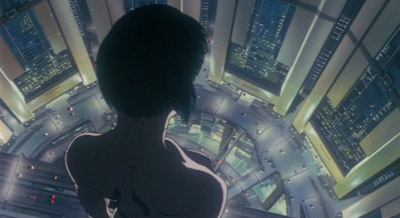
The aesthetics of the animation are also unique. The combination of digital and traditional animation techniques was innovative for its time and effectively conveys the atmosphere and message of the work. The backgrounds are depicted in detail and realistically, effectively expressing the cold atmosphere of a future city dominated by technology.
The music is also an important element that emphasizes the emotions of the work, enhancing the tension of chase scenes and emotional moments.
Ghost in the Shell, along with its sequels, has led to in-depth discussions about the development of artificial intelligence and network society, transcending the cyberpunk genre.
Ghost in the Shell is a Japanese animated film that aired in 1995, based on the manga of the same name by Masamune Shirow. This work is a representative of the cyberpunk genre, addressing deep philosophical questions about humanity, machines, artificial intelligence, and the nature of consciousness.
The story of this animation is set against the backdrop of a future cyber society. The protagonist, Motoko Kusanagi, is an agent of Public Security Section 9, tasked with solving crimes in a society where highly advanced artificial intelligence and cyborg technology are integrated.
Motoko is also a cyborg whose body has been almost entirely transformed into machinery, existing beyond the boundaries of human and machine. This work depicts her journey as she yearns for 'humanity' and 'machinery,' exploring her identity as a 'goal-less existence.'
As Motoko battles a hacker known as the 'monster,' she grapples with the relationship between human consciousness and machines, as well as the essence of the self.
This hacker possesses the ability to hack into people's consciousness and connect computer networks with human brains, further blurring the lines between human and machine. Through this process, the work explores the essence of humanity and self in a mechanized society.
Ghost in the Shell addresses various philosophical and social themes. One of the most important themes is human consciousness and self.
The protagonist, Motoko, is a cyborg who has almost entirely replaced her body with machines, yet she still possesses consciousness and feels human emotions. She constantly questions what the self is, traversing the boundaries between humanity and machinery.
Additionally, the work raises concerns about the development of artificial intelligence and network society. Due to the nature of the cyberpunk genre, it contains deep reflections on how highly advanced technology intertwines with human society and its impact on social structures and human relationships.
The attempts to connect networks with the human brain blur the boundaries between machines and humans, raising questions about self and existence.
Ghost in the Shell is a work that combines the artistry of animation with the visuals of cyberpunk, making a significant impact in the animation industry at the time.
Its unique detailed and realistic backgrounds, along with a style that combines digital and traditional animation techniques, are characteristic. Additionally, the background music in the film, composed by Kenji Kawai, adds a mystical and philosophical feel to the work.
Ghost in the Shell has a prophetic nature regarding the technological advancements and social changes of its time, significantly influencing later cyberpunk animations and films. In particular, it has had a considerable impact on works like The Matrix and is considered an essential work for fans of the cyberpunk genre.
Ghost in the Shell goes beyond being a simple cyberpunk animation, posing deep questions about human existence and technology. As technology advances, the questions about the essence and existence of humanity grow larger, making it a work that continues to have a significant impact in modern society, prompting serious contemplation about the relationship between technology, humanity, and future society.






 Weekend Movie Blog |
 Beauty, Health, Lifestyle Blog |

 coloradoman |
 Superman Cat Blog |
 novapixel |
  DREAM BIG |
  frostbite |
  330 Forever My Love |
  El Dorado |
  dralix58 |
  Gorama Round |
  Skydiving |
  dreamport |
  Yellow Snowman |
  Toaster Pizza Magic Show |
  velvetnom |
  Anytime Journey |
  Mrs. Duluth |
  jaxter |
  Atlanta Mama |
  Baguette Blog |
  Tan Sol |
  US Embassy |
  Korean Mom |
  My NYC |