
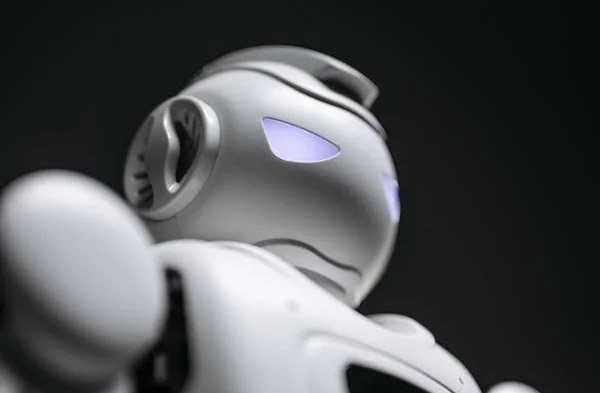
Do Androids Dream of Electric Sheep? is a novel published in 1968 by Philip K. Dick, exploring the boundaries between humans and machines, reality and illusion.
This novel poses questions surrounding human identity and the existence of machines, prompting deep reflection on what it means to live a human life. The work became even more famous when adapted into the film 'Blade Runner.'
The main setting of the novel is Earth in a post-apocalyptic era. Androids, resembling humans, exist in a manner similar to human society, and some of them dream of unrealistic beings like 'electric sheep.' This raises philosophical inquiries about whether mechanical beings can possess human emotions and dreams.
The protagonist, Rick Deckard, is a police officer tasked with eliminating escaped androids. He perceives and interacts with the androids as if they were human, leading him to contemplate their significance as beings pursuing selfhood.
The existence of 'electric sheep' blurs the line between humans and machines, as they are mechanical beings that mimic human imagination and emotions. Through this setting, the author explores humanity, emotion, and the meaning of existence, posing fundamental questions about technological advancement and human identity to the reader.
In this novel, electric sheep are depicted not merely as mechanical beings but as entities possessing emotions, dreams, and even selfhood.
This question prompts philosophical and ethical reflections on whether machines can feel and think like humans, and where the differences between machines and humans arise.
As the androids in the story become increasingly similar to humans, readers are led to reconsider the essence of humanity, emotions, and the meaning of existence.
The novel also addresses human fears and expectations regarding artificial intelligence and mechanical beings.
It describes a future where the boundaries between machines and humans blur, questioning what emotions and sensations humans will have in such a world, and what it would mean if machines developed emotions.
The discussion surrounding whether artificial intelligence created by humans can feel real emotions or if it is merely a program evokes philosophical contemplation about modern technological advancements.
Ultimately, the novel concludes that it is difficult to clearly distinguish the differences between humans and machines. This raises essential questions about how we define 'humanness,' namely emotions, consciousness, and selfhood.
Do Androids Dream of Electric Sheep? is a work that deeply engages with the philosophical and ethical considerations of machines feeling like humans, transcending the realm of science fiction to explore human existence, and continues to have a significant impact on many.







 Weekend Movie Blog |
 Beauty, Health, Lifestyle Blog |

 coloradoman |
 Superman Cat Blog |
 novapixel |
  DREAM BIG |
  frostbite |
  330 Forever My Love |
  El Dorado |
  dralix58 |
  Gorama Round |
  Skydiving |
  dreamport |
  Yellow Snowman |
  Toaster Pizza Magic Show |
  velvetnom |
  Anytime Journey |
  Mrs. Duluth |
  jaxter |
  Atlanta Mama |
  Baguette Blog |
  Tan Sol |
  US Embassy |
  Korean Mom |
  My NYC |