

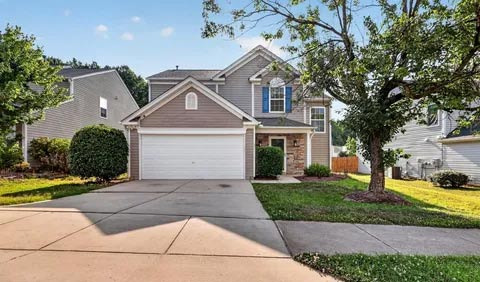
Denver consistently ranks high in quality of life, but its cost of living has also increased significantly.
The cost of living index of 120 is 20% higher than the national average, showing a clear gap compared to Colorado Springs (108) in the same state.
Housing costs are cited as a key reason for the rise in Denver's cost of living. Rent for a one-bedroom apartment typically ranges from $1,800 to $2,400, while two-bedroom apartments are generally priced between $2,300 and $3,000.
Compared to the national median rent ($1,500 to $2,200), this is about 15% to 30% higher. Since 2015, Denver's population and infrastructure have grown rapidly, significantly impacting housing costs. Popular areas like downtown, LoDo, and Cherry Creek tend to have even higher price ranges.
Grocery costs are estimated to be about 10% to 15% higher than the national average. There are various options available, including King Soopers (part of Kroger), Safeway, Whole Foods, and Trader Joe's. For Korean families, the H-Mart Denver location makes it relatively easy to obtain Korean ingredients.
Transportation costs are high due to a reliance on vehicles, but Denver has a decent public transportation infrastructure for a major city. The RTD (Regional Transportation District) operates buses, light rail, and commuter trains, with the A Line providing convenient service between downtown and Denver International Airport. Nevertheless, most suburban residents primarily use their cars for transportation.
Childcare and education costs are significant expenses in Denver. The Denver Public Schools (DPS) have varying quality across schools, making it important to find housing in desired school districts. Some Korean families choose to live in suburbs like Aurora, Littleton, or Parker for better educational environments.
Compared to nearby cities, rental prices in the Denver metropolitan area, including Aurora, Lakewood, Westminster, and Thornton, tend to be 10% to 20% lower. Colorado Springs (108) is the most affordable option, but commuting to Denver can be realistically challenging. According to BLS Western Region CPI data, the inflation rate in the Denver-Aurora metropolitan area has slightly exceeded the national average in recent years. While there are signs that this trend may be easing, it is important to monitor future developments.
Denver has many jobs in finance, healthcare, and aerospace that offer incomes within this range, but there can be significant differences based on career and occupation, so it is crucial to carefully review employment conditions alongside relocation plans. Using the NerdWallet cost of living calculator to directly compare your current location with Denver's costs can also aid in decision-making.
 HaniForever
 PastaPilot







 |
| 
 Premium Gas Camp |
 CA Real Estate |
 cheesepup |
 breezem |
 Your Curiosity Resolved |
 self-evaluation |
 Colorado Love |
 Univ Student |
 LIZ Legal Information Blog |
  crystalx |
  Spaghetti Flying Religion |
  lunarpath |
  Another Eden Channel BLOG |
  sprinkletop |
  bongo |
  savannah choi |
  Successful Manager Kim's Team |
  crystalo |
  Canvas Pro Blog |
  Time Management Enthusiast |
  Cap Com |
  nixxon |
  kevin Kim |
  beerdreamer |
  Kims Spring |
  White bunny |
  Kansas City Representative Singer |
  shadow 007 |
  sun walker |