

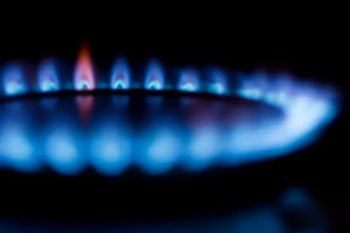
Using gas stoves, commonly found in American households, can release various harmful substances during cooking, affecting indoor air quality and health.
Notably, nitrogen oxides (NOx), carbon monoxide (CO), and fine particles (including ultrafine dust) can be generated during cooking, and in environments with insufficient ventilation, these substances can accumulate indoors, putting a strain on the respiratory system.
Nitrogen Oxides (NOx) Generation
NOx produced during gas combustion can irritate the bronchial tubes, making it particularly harmful to individuals with respiratory diseases such as asthma or bronchitis. Children and the elderly may experience more severe symptoms due to their weaker immune systems.
Carbon Monoxide (CO) Exposure Risk
Incomplete combustion can produce carbon monoxide, a colorless and odorless gas that is difficult to detect initially. As carbon monoxide levels rise, symptoms such as headaches, dizziness, and vomiting may occur, and in severe cases, it can lead to fatal poisoning.
Fine Dust and Ultrafine Dust
Gas combustion byproducts mixed with cooking oil smoke can contaminate the indoor environment in the form of fine dust. These ultrafine particles can penetrate deep into the respiratory system, potentially exacerbating allergic rhinitis or bronchial diseases.
Accumulation Risk Due to Insufficient Ventilation
If ventilation is inadequate while using a gas stove, harmful substances can remain indoors for extended periods. Depending on the structure of apartments or houses, ventilation may not be smooth, especially in winter when doors are closed, leading to higher concentrations.
Prevention and Countermeasures
Ensure adequate ventilation: It is important to open windows or operate exhaust fans during and after cooking to reduce the time harmful substances remain indoors.
Install CO detectors: Installing alarms that monitor carbon monoxide levels minimizes the risk of poisoning.
Regular inspections: Regularly check for leaks in gas hoses and connections, and inspect the stove to prevent incomplete combustion.
Cleaning and maintenance: Frequently clean the surface of the gas stove and surrounding areas to prevent the accumulation of grease or dust, which can improve combustion efficiency and reduce harmful substance generation.
Overall, while gas stoves are convenient, the harmful substances generated during cooking can negatively impact indoor air quality and health.







 Baguette Blog |
 Khan Film Blog Production |
 dermoon |
 hoosierdaddy |
 sun walker |
 Winter bear |
 Living in New Jersey blog |
 morninpo |
 silverleaf |
 Tonky |
  viroma |
  cookie |
  Live and that's it |
  Alright Twain |
  eatontown blog |
  HAWAII Korean Church News |
  Amore |
  linex |
  Balancework |
  laro90 |
  MEDBIO American Doctor Blog |
  SWAT TEAM BLK |
  DREAM BIG |
  frostbite |
  330 Forever My Love |
  El Dorado |
  dralix58 |
  Gorama Round |
  Skydiving |