
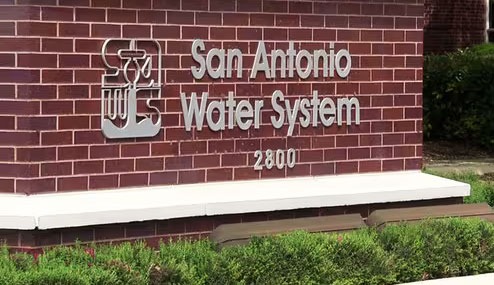
Living in San Antonio, one often becomes concerned about water issues. For many Korean families, the city's tap water is a sensitive element that goes beyond just drinking water; it affects the lifespan of household appliances, skin health, and even property values. Ultimately, how one manages water becomes key to maintaining a home and protecting family health.
The source of San Antonio's tap water is the Edwards Aquifer, an underground water layer. While the water is generally clean as it passes through limestone layers, the problem lies in the dissolved calcium minerals. The hardness of the city's tap water typically measures over 15 to 20 gpg, which is considered very hard for household standards.
After washing dishes, black plates are inevitably left with white stains that resemble paint marks, and after showering, the skin feels dry and hair becomes stiff.
In sink drains, calcium deposits accumulate faster than food waste. The buildup of calcium in washing machines and dishwashers, especially in water heaters, significantly reduces the lifespan of appliances. Living in this city without a water softener is akin to carrying a long-term cost burden.
Thus, the basic equipment for living in San Antonio includes a water softener and a water purifier. Nowadays, many households install whole-house water softeners and have reverse osmosis purifiers in the kitchen. While it can be a hassle to refill the salt in the softener, it reduces skin troubles, eliminates post-shower dryness, and noticeably extends appliance lifespans. Investing in proper water management based on well-gathered information ultimately proves to be a more beneficial choice.
Recently, more people in the outskirts of San Antonio, such as Leon Springs and Fair Oaks Ranch, are digging private wells. The reason is simple: they want to escape the burden of water costs and usage restrictions. SAWS rates increase every year, and during droughts, strict limits on lawn watering are enforced.
On the other hand, having a private well allows one to use the water beneath their land freely. The issue lies in the initial costs. As of 2026, drilling hundreds of feet and establishing a pump system costs at least $20,000 and can exceed $40,000. However, this is seen not merely as consumption but as an investment in land value.
However, managing a private well is not easy. While city tap water undergoes basic testing, well water requires direct quality testing. Regular checks for bacteria, heavy metals, and mineral levels are necessary, and the filtration system must be consistently maintained. Neglecting maintenance can actually increase health risks.
Tap water is stable and easy to manage. Well water offers the allure of freedom and long-term cost savings. Regardless of the choice made, filtering and softening systems are essential in San Antonio. Please check if there is enough salt left in your softener and if it's time to replace the filter in your purifier.
May the year 2026 bring clear and refreshing Texas life for everyone.








 Helpful Life Stories |
 American Man in a Mask |
 Hajiwon Blog Hair Salon |
 Make My Day |
 TEXAS Fishing Boat |
  US Embassy |
  Korean Mom |
  My NYC |
  moo moo |
  Mr Oh |
  forevergee |
  festival |
  manchester |
  constant |
  Leapfrog Move |
  vibranto |
  Tora Tora |
  yellowbutter |
  Dolly |
  NYC saladbar |
  Finding Superfoods |
  lightyear |
  song bang |
  vexomo |
  Indiana Jones |