

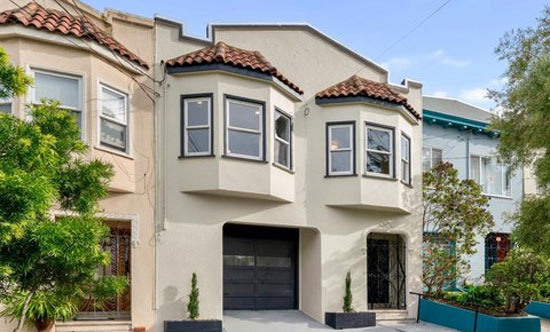
The number of foreclosure applications in the U.S. has increased by about 32% compared to a year ago.
According to the latest report from ATTOM, a real estate data analysis firm, the total number of foreclosure applications (including notices of default, scheduled auctions, and bank repossessions) in the U.S. as of January 2026 was 40,534. This marks a 32% increase compared to January 2025, continuing an upward trend for 11 consecutive months.
Looking at the detailed indicators, we can confirm that the pressure on the market is indeed increasing.
Foreclosure starts have risen by 26% compared to the previous year, and the number of completed foreclosures has surged by 59%. This figure suggests that more households are finding it increasingly difficult to maintain their homes, rather than just a statistical change.
Foreclosure refers to the process by which a financial institution seizes and disposes of a home when the mortgage loan secured by that home has not been repaid for an extended period. Typically, if a homeowner fails to make mortgage payments for several months, the bank or lender sends a notice of default, and the foreclosure process begins. If payments are not made within a certain period, the home may go to auction or be converted to bank-owned (REO) status.
Regions with high foreclosure rates include Delaware, Nevada, and Florida. These areas share a common characteristic: they are heavily reliant on tourism or service industries. While they can grow rapidly during good economic times, they are also more vulnerable to shocks when the economic environment becomes unstable.
I live in San Francisco, and looking at these statistics gives me the impression that the overall atmosphere of the U.S. real estate market is gradually changing. Just a few years ago, low interest rates made it relatively easy to buy a home. During the pandemic, low mortgage rates led many people to purchase homes. However, the situation has completely changed as rates have risen rapidly since then.
When mortgage rates go up, it's not just new buyers who face difficulties. Existing homeowners can also feel the burden increase. This is especially true for those who have taken out adjustable-rate loans or are considering refinancing, as their monthly expenses may rise.
Another issue is the rising cost of living. Over the past few years, prices in the U.S. have continued to rise. Costs for groceries, insurance, car expenses, and utilities have all increased. Real estate experts analyze that the rising property taxes and insurance premiums are particularly burdensome for homeowners.
Owning a home involves more than just paying the mortgage. Various costs such as property taxes, homeowners insurance, and maintenance expenses also arise. When these costs rise simultaneously, they can put significant pressure on household finances. Ultimately, if these situations accumulate, it can lead to difficulties in mortgage repayment and an increase in foreclosure cases.
However, experts say there's no need to view the situation too pessimistically just yet. The current foreclosure numbers are still low compared to those during past financial crises. For example, during the 2010 real estate crisis, the number of foreclosures was much higher than it is now.
Another important background factor is the policies during the pandemic. During the pandemic, the U.S. government temporarily halted foreclosure procedures. As a result, the number of foreclosures remained abnormally low for several years. The current increase may be seen as the market returning to a normal flow after being suppressed during that time.
In cities like San Francisco, where home prices are already very high, these changes are felt more acutely. The higher the home price, the greater the mortgage burden. Even a slight increase in rates can significantly change the monthly payment amount.
Therefore, when I read real estate news these days, I look not only at home price increases or decreases but also at foreclosure statistics and interest rate trends. The real estate market is one of the areas that reflects economic conditions most quickly.
It's difficult to say that the current increase in foreclosure applications will directly lead to a large-scale real estate crisis. However, it is clear that the financial burden on American households is growing.
Ultimately, the real estate market acts like a thermometer for the economy. The increase in foreclosure applications may be more than just a statistic; it could signal changes in the economic environment. Therefore, we should continue to monitor how interest rate policies and economic trends evolve.





 moo moo |
 ultron78 |
 garlic bread |
 Sugar Cream Door Bulletproof Noodles |
 urbanmint |
 Nuchuhan Exploration BLOG |
 Moscow Kim |

 U.S. Weather Bureau News |
 Peter Pan Pet |
  hot chocolate |
  SODA MAKER |
  james kim |
  All About Cars |
  lomira98 |
  calmbridge |
  oneonly |
  Brighto |
  racuse |
  Total Beauty |
  crystal |
  Good Hotels |
  raspberry7 |
  Que que |
  Well Done Sir |
  dance dance |
  sweetpepe |
  vegas mom |
  Olivia's Blog |
  cathywhite |