

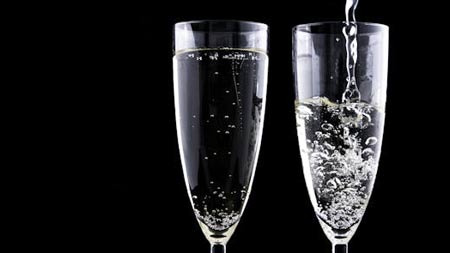
The history of champagne begins in the 17th century in the Champagne region of France. Originally a wine, champagne began to develop bubbles due to the unique climate and soil of the Champagne region, which naturally produced carbon dioxide. Initially, it was an accidental fermentation process, but as technology advanced, the champagne production method we know today, known as 'Méthode Champenoise,' became established. Notably, figures like Dom Pérignon are said to have contributed to improving the quality and consistency of champagne through innovative inventions and experiments.
Champagne (Sparkling Wine) Production in the U.S.
Unlike France, the U.S. is legally prohibited from using the term 'champagne.' This is due to name protection regulations; instead, in the U.S., the term 'Sparkling Wine' is used, and products are produced using the traditional French fermentation method.
The Role of California and Other Regions
California is the most famous sparkling wine production area in the U.S. Here, the diversity of grape varieties and climate allows for the production of high-quality sparkling wines, and the traditional 'Méthode Champenoise' is adopted in the production process. Some wineries in California have been producing sparkling wine since the late 19th century, gaining recognition in the global market for their quality and unique flavors that rival European champagne.
Characteristics of American Sparkling Wine
- Diverse Styles: A variety of styles are produced, from traditional dry Chardonnay and Pinot Noir-based sparkling wines to unique blends.
- Innovative Approaches: American wineries are combining traditional techniques with modern technology to create more experimental and creative sparkling wines.
- Market Expansion: Continuous investment in quality and changing consumer preferences are attracting more enthusiasts to American sparkling wine.
The history of champagne has spread from the serendipity and innovation of France to the rest of the world, and the U.S. has also inherited this tradition, developing its own sparkling wine culture. Both regions have their unique characteristics, allowing today's consumers to enjoy different charms and flavors.
Thus, the history of champagne and American sparkling wine goes beyond mere beverages, decorating a page of culture and history.






 lightyear |
 Moscow Kim |
 coloradoman |
 Montgomery Mom |
 GOGO SING |
 Helpful Life Stories |
 American Man in a Mask |
 Hajiwon Blog Hair Salon |
 Make My Day |
 TEXAS Fishing Boat |
  Atlanta Mama |
  Baguette Blog |
  US Embassy |
  Korean Mom |
  My NYC |
  moo moo |
  Mr Oh |
  forevergee |
  festival |
  manchester |
  constant |
  Leapfrog Move |
  vibranto |
  Tora Tora |
  yellowbutter |
  Dolly |
  NYC saladbar |
  Finding Superfoods |
  song bang |