

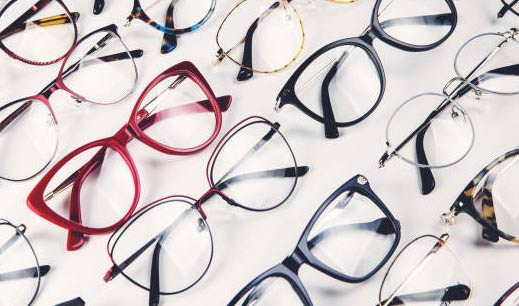
To get glasses in the U.S., you generally need to visit an ophthalmologist or optometrist for an eye exam and obtain a prescription based on the results. The overall procedure is not significantly different across states, but the details such as prescription issuance methods, validity periods, and online exams may vary slightly from state to state.
Below is a summary of the general process for obtaining glasses in the U.S. and points that may differ by state.
-
Eye Exam
-
Common Nationwide:
-
Visit a licensed ophthalmologist or optometrist for an eye exam.
-
After the exam, a prescription for glasses or contact lenses will be issued based on your vision condition.
-
In the U.S., an eye exam is necessary to determine the correct prescription, and most optical stores offer eye exams through optometrists.
-
-
State Differences:
-
In some states, certain qualified professionals may be allowed to conduct simple vision tests (refraction tests) in addition to ophthalmologists and optometrists.
-
The regulations regarding how online eye exams (telemedicine) are recognized and what is permitted vary slightly by state. Therefore, if you want to receive a prescription online, you should check the regulations of that state in advance.
-
-
-
Prescription Issuance and Validity Period
-
Common Nationwide:
-
According to the 'Eyeglass Rule' implemented in 2004, it is mandatory to provide patients with a prescription for glasses after the exam. This allows them to purchase glasses from other optical stores or online directly.
-
If you have insurance, part of the costs for the eye exam or glasses purchase may be covered.
-
-
State Differences:
-
The validity period of prescriptions (usually 1 or 2 years) may vary by state.
-
There are also detailed differences in the procedures for issuing prescriptions, refunds, and re-examinations.
-
-
-
Choosing an Optical Store & Purchase Process
-
Common Nationwide:
-
In the U.S., there are many options ranging from large chains like Walmart, Costco, LensCrafters, Target Optical, and Warby Parker to independent local optical stores.
-
There is also a trend of purchasing online, which is convenient as you only need to enter prescription information, but it is better to try on glasses in-store if you are using a brand for the first time or if fitting is tricky.
-
After a purchase, if fitting or lens adjustments are needed, you can receive additional adjustments at the optical store.
-
-
State Differences:
-
The vision insurance benefits or discount policies offered by each store vary by state and company.
-
In some states, additional documents or procedures may be required when purchasing glasses online, but generally, there are not many restrictions.
-
-
-
Insurance Coverage
-
Common Nationwide:
-
In the U.S., it is common to enroll in 'Vision Insurance' separately. With this insurance, you can receive partial support for exam costs, glasses, or contact lens purchases.
-
The scope of insurance coverage varies widely depending on the plan.
-
-
State Differences:
-
Benefits for glasses under Medicaid (public health coverage for low-income individuals) may vary by state. In some states, glasses are only provided for children and certain qualifying adults.
-
-
-
Additional Tips
-
Online Eye Exams: Some websites or apps offer online eye exams that provide simple prescription recommendations. However, this is not legal and recognized in all states, so be sure to check the regulations of your state before using.
-
Lens Types, Coatings, and Fitting: In the U.S., there can be significant price differences based on lens types or coatings (blue light blocking, anti-reflective, etc.). It is advisable to compare quotes from various online and offline sources before making a decision.
-
Coupons & Sales: Optical stores in the U.S. often offer sales or coupons, so utilizing these can help save costs.
-
In summary, the "basic process of getting glasses in the U.S." is similar nationwide. The order is eye exam → prescription issuance → glasses purchase. However, the authority to issue prescriptions, validity periods, and regulations for online exams and purchases may vary slightly by state, so it is advisable to check the regulations of your area in advance.
If you are planning to get new glasses in the U.S., first find the nearest optical store or a reliable optometrist to schedule an eye exam, and after the exam, be sure to obtain the prescription to compare prices with other places. Consider the costs and convenience, and purchase glasses in a way that suits you!





 Khan Film Blog Production |
 dermoon |
 hoosierdaddy |
 sun walker |
 Let's Be Like a Salt-like City Person |
 Weekend Movie Blog |
 Beauty, Health, Lifestyle Blog |
 coloradoman |
 Superman Cat Blog |
 Awesome Blog |
  manchester |
  constant |
  Leapfrog Move |
  vibranto |
  Tora Tora |
  yellowbutter |
  Dolly |
  US Embassy |
  NYC saladbar |
  Finding Superfoods |
  lightyear |
  song bang |
  vexomo |
  Indiana Jones |
  meloncat |
  novapixel |
  mortrix |
  Esther 1983 |
  fortbliss |
  Moscow Kim |