
For students and parents concerned about costs as they approach college, community colleges are often an overlooked excellent option.
In Chicago, there is a public community college system called City Colleges of Chicago (CCC).
This system consists of seven campuses located throughout the city of Chicago, providing affordable tuition and a variety of programs that offer higher education opportunities to many Chicago residents.
The seven colleges of CCC each have different locations and characteristics.
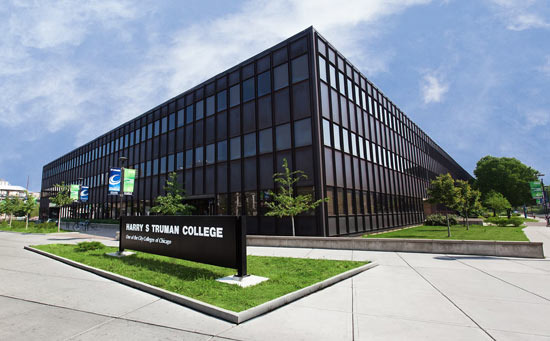
Harold Washington College is located in the downtown Loop and is a city campus frequented by working adults and learners. Wilbur Wright College is in the northwest side of Chicago, while Truman College is in the Uptown area to the north.
Kennedy-King College is on the South Side, Malcolm X College is nearby on the West Side, Olive-Harvey College is in the far south, and Richard J. Daley College is situated to the west. Students can choose a nearby campus based on their residence.
Tuition is quite affordable by Illinois public community college standards.
Chicago residents benefit from even lower tuition rates, and additional financial support can be obtained through Federal Financial Aid and the Illinois MAP Grant.
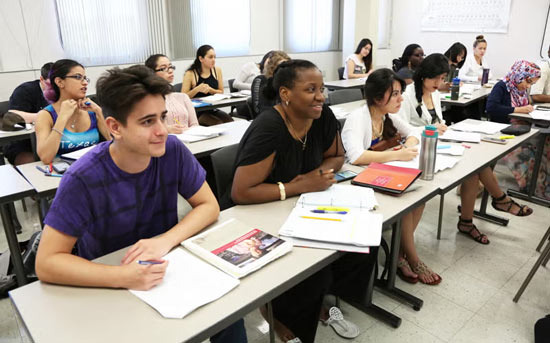
For students from low-income families, there are cases where full tuition support is available, providing a pathway for families with financial difficulties to begin college education.
The city of Chicago also operates tuition assistance programs for certain eligible students.
After obtaining an Associate Degree from CCC, there are well-established pathways to transfer to four-year universities within Illinois.
There are transfer agreements with state universities, including the University of Illinois at Chicago (UIC), making it realistically possible to transfer as a junior to a four-year college if good grades are maintained at CCC. This pathway is an efficient way to earn a four-year degree while reducing tuition costs by more than half.
In addition to degree programs, CCC offers a variety of workforce development programs. Short-term certification courses are available in various fields such as medical assisting, welding, cooking, IT, and graphic design.
There are also English as a Second Language (ESL) programs for adults with limited English skills offered at several campuses, which Korean immigrants often use to improve their English. Programs are also available to support immigrants preparing for the citizenship test.
CCC is a realistic starting point for beginning college education without financial burden. For those entering the U.S. college system for the first time, adapting to the academic environment and improving English skills at a community college before transferring is a strategy that many immigrant students actually choose.
Considering cost-effectiveness, I believe CCC is a college program that our Korean community should definitely consider.
 JellyMechanic
 UrbanCore72
 BlueSky88







 Way to easy |
 Magic Cabbage School of Martial Arts |
 Vacation on Hawaii |
 morvex37 |
 Ari Songhan American Immigration Life |
 Illinois Mom |
 Rice Shop Uncle BLOG |
 Khan Film Blog Production |
 Electricity Field Certification Collector |
 American General Knowledge Expert |
  urban legend |
  coolriver |
  Good Neighborhood, Wealthy District Information |
  Ro Ro Car |
  Amber H |
  new sugar |
  Palm 1000 |
  loran |
  donutfield |
  Tennis City |
  sunny7 |
  Questions about firearms while living in America |
  Shoot Me |
  mochifox |
  zucchini |
  Anna Life |
  Exciting FM Radio |
  pet dog |
  toodin |
  rosed |