

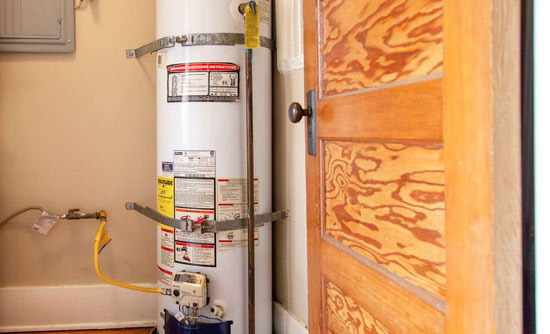
California is a region with strict energy costs and environmental regulations, so both electric and gas water heaters are mixed in apartments and houses.
Older single-family homes and large apartment complexes often have gas water heaters installed.
This is because gas heats water faster than electricity, and in the past, gas rates were cheaper than electricity.
However, recently, the California state government has been promoting decarbonization policies, leading to an increase in the installation of electric tank-type or tankless (on-demand) water heaters in newly built or remodeled apartments.
In some cities, gas connections are completely prohibited for new buildings. For example, areas like Berkeley and San Francisco encourage or mandate electric-based facilities.
Additionally, since solar panel installations are active in California, there are many cases where electricity generated during the day is used to run electric water heaters.
This can reduce electricity costs, providing economic benefits as well.
Electric water heaters are widely used in California, and especially in newly built apartments or cities with strong environmental regulations, they are becoming increasingly common.
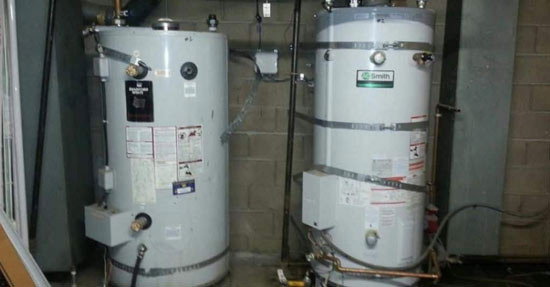
Installation Rates and Trends
-
Gas Water Heaters: Traditionally the most commonly used. California has a well-established natural gas pipeline, and in the past, gas rates were cheaper than electricity, so most single-family homes and older apartments use gas systems.
-
Electric Water Heaters: Recently increasing rapidly in newly built apartments, condos, and remodeled buildings. Especially in San Francisco, Berkeley, and San Jose, laws have been introduced to prohibit or limit gas connections in new buildings, making electric installations effectively the standard.
Heating Speed
-
Gas: Heats water quickly with a flame. Even large tanks can reach shower-ready temperatures in 30-40 minutes.
-
Electric: Heats slowly with heating elements, taking more time. For the same capacity, it can be more than 1.5 times slower than gas.
Energy Costs
-
Gas: The cost of gas is still often cheaper than electricity, making it more economical than electric systems for long-term use.
-
Electric: The base rate may seem high, but when linked with solar panels, it can be run at almost no cost. This is particularly advantageous in California, where the solar adoption rate is high.
Environmental Regulations and Policies
-
Gas: Criticized for high CO₂ emissions due to fossil fuel use, which does not align with California's eco-friendly policies. In some cities, gas water heaters are completely banned in new buildings.
-
Electric: Aligns with carbon neutrality goals. As the power grid shifts to renewable energy, electric systems are evaluated as more environmentally friendly in the long run.
Installation and Maintenance
-
Gas: Requires gas piping, ventilation, and exhaust duct installation, leading to high initial installation costs. However, the longevity of components like gas igniters and burners makes maintenance easier.
-
Electric: Installation is straightforward. It only requires a power connection, making it advantageous for condo or apartment remodels. However, it consumes a lot of power, and over time, heating elements may need replacement.
Space Utilization
-
Gas: Installation locations are limited due to exhaust requirements. They are often placed in garages or outside.
-
Electric: No need for ventilation, so they can be installed anywhere indoors, making them more suitable for small apartments or condos.
While gas water heaters are still widely used in California, the usage rate of electric water heaters is gradually increasing due to environmental regulations and new building codes.


 Weekend Movie Blog |
 Beauty, Health, Lifestyle Blog |
 coloradoman |
 Superman Cat Blog |
 Noodle Noodle |
  Tonky |
  viroma |
  cookie |
  Live and that's it |
  Alright Twain |
  eatontown blog |
  HAWAII Korean Church News |
  Amore |
  linex |
  Balancework |
  laro90 |
  MEDBIO American Doctor Blog |
  SWAT TEAM BLK |
  DREAM BIG |
  frostbite |
  330 Forever My Love |
  El Dorado |
  dralix58 |
  Gorama Round |
  Skydiving |