
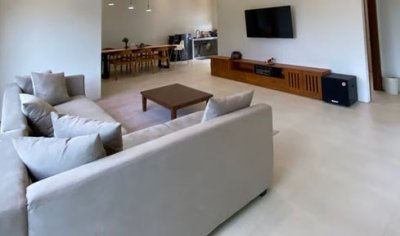
In Bergen County, the median sale price in Cresskill is $967,500, while in Closter, it trades around $1.5 million. This data is based on Redfin's figures for the most recent month in 2026, showing a 4.6 percent increase from the previous year. Both neighborhoods have similar school district reputations, but the cash needed to enter varies significantly.
Calculating the down payment based on Closter's median price of $1.5 million shows a clear difference. A 3.5 percent down payment is $52,500, 5 percent is $75,000, 10 percent is $150,000, and 20 percent is $300,000. Most of these properties are financed through conventional loans, and if you put down less than 20 percent, PMI will be added monthly. If you reach 20 percent, you can proceed without PMI.
How much to prepare for a down payment ultimately balances between cash availability and loan limits. Keeping the down payment low reduces initial burden but increases the loan principal, raising both monthly payments and DTI. In the price range of Closter, the loan principal itself is substantial, so aiming for more than 10 percent is safer to ensure DTI flexibility.
New Jersey's effective property tax rate averages 2.23 percent, one of the highest in the nation. The median property tax burden is around $8,809 annually. In areas like Closter, where home prices are high, the absolute amount of property tax also increases, so be sure to check the actual tax bill for any listings. Families moving from states with lower property taxes may feel a significant difference in this area.
The New Jersey Housing and Mortgage Finance Agency (NJHMFA) offers first-time homebuyers up to $15,000 at 0 percent interest as a forgivable second loan over five years. First-generation buyers, whose parents have never owned a home, can receive an additional $7,000, totaling up to $22,000. However, there are income and purchase price limits by county, so in high-median areas like Closter, it's essential to consider the possibility of hitting those limits.
Approval rates vary based on credit scores and DTI management. A score above 780 can secure a rate of 6.59 percent, while those in the 760s can expect 6.66 percent, and the 740s can get 6.75 percent. Aim for a back-end DTI of 43 percent or lower, and getting pre-approved in advance reduces uncertainty leading up to closing. It's advisable to avoid new loans or job changes before closing.
For a price range like Closter, it's wise to set aside more reserves. Given the large principal, leaving cash to cover several months after closing is safe for both the approval process and future living expenses.
Closter is part of the Northern Valley school district, making it a popular area among Korean families. However, school ratings and assigned schools can vary by address within the same neighborhood, so be sure to check the assigned school ratings on GreatSchools or Niche before signing a contract.
Pre-approval is different from pre-qualification. Unlike pre-qualification, which is based on self-reported income, pre-approval confirms actual loan limits through income verification and credit checks. In the price range of Closter, this limit can significantly impact your overall budget, so it's best to obtain it before viewing properties.
After pre-approval, there will be a point where you can lock in your interest rate. Even if market rates fluctuate during the contract process, the locked rate will apply, so if the property takes time to close, it's worth considering this timing as well.
If you're moving from another state, it's easy to budget based on the previous state's property tax rate. New Jersey has some of the highest property taxes in the country, so using that standard may lead to underestimating monthly burdens. It's safer to recalculate based on the actual tax bill for the property.
Before closing, avoid actions that increase debt, such as taking out a new car loan or opening credit cards. Lenders will recheck credit and income right before closing, and even small changes at this point can affect approval.
This is not investment or legal advice, and property tax and loan conditions can vary by county and lender. Consulting with a professional before finalizing a contract is recommended.
 DonLeeCity
 HoldOnToday








 moo moo |
 ultron78 |
 garlic bread |

 urbanmint |
 Glow Yo |
 Anytime Journey |

 Amber H |
 zymit |
  The Gelaton |
  Twist Kim |
  berlon93 |
  Physical Laws and Science |
  good thinking |
  Solo Yolo |
  Mr Oh |
  laro90 |
  San Diego TOP Idol |
  Round and Round Children's Song Kingdom |
  American Golf Course Travelogue |
  MEDBIO American Doctor Blog |
  Hot Seat Driver |
  bryvexi |
  koala organic farm |
  riverstone |
  My Antonio |
  California Information News |
  chilli chilli |
  Moon Su San |