
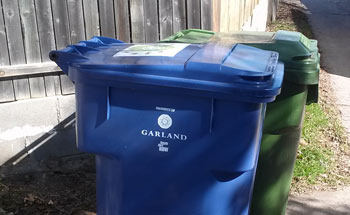
The biggest feature is that there are no state-level recycling goals or mandatory programs implemented in all regions. Therefore, recycling policies are operated at the local government level, such as cities or counties. For example, Austin has set a goal of "Zero Waste" by 2040 and is actively pushing policies, while rural areas lack even the infrastructure, making recycling difficult.
The state government is not completely hands-off; it operates educational and support programs through campaigns like "Take Care of Texas." However, participation is left to the discretion of businesses and individuals. Unlike other states, there is little movement to strengthen producer responsibility or legally regulate specific industries.
Additionally, laws such as the ban on plastic bags, bottle deposit systems, and mandatory collection of electronic waste have not been established. Compared to California or Maine, which strongly implement such systems, there is a clear difference. The regulations on landfills are also weak, resulting in a low recycling rate of only about 24% as of 2021.
Moreover, Texas's unique industrial structure plays a role. The petrochemical industry is so strong that, due to interests related to plastic production, there is a reluctance to regulate single-use products. Ultimately, a structure has been created that prefers landfilling over recycling.
Of course, there have been some movements for change recently. In 2023, some lawmakers proposed a recycling incentive bill, but it has not yet passed. Environmental groups continue to voice that the state government should actively intervene.
In the end, Texas's recycling policies are closer to "recommendation" than "enforcement." The state's political inclination values freedom and autonomy, leading to an atmosphere that leaves choices to individuals and local governments rather than imposing strong regulations. This is why the overall assessment of the policies is relatively lax.





 xylora |
 wendra |
 Texas Migration Story |
 ultron78 |
 Aura-Infused WACAM |
  Tonky |
  viroma |
  cookie |
  Live and that's it |
  Alright Twain |
  eatontown blog |
  HAWAII Korean Church News |
  Amore |
  linex |
  Balancework |
  laro90 |
  MEDBIO American Doctor Blog |
  SWAT TEAM BLK |
  DREAM BIG |
  frostbite |
  330 Forever My Love |
  El Dorado |
  dralix58 |
  Gorama Round |
  Skydiving |